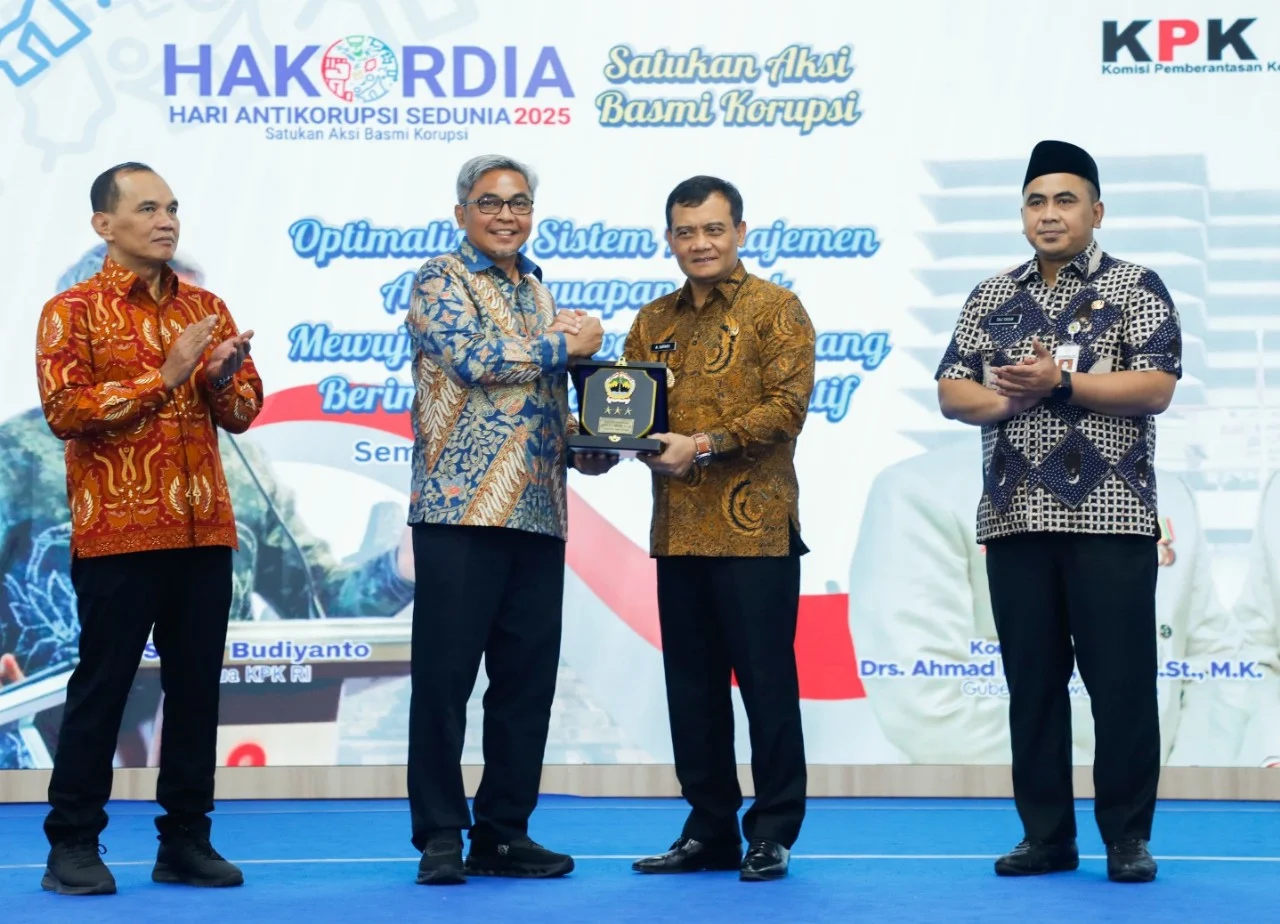
Media Kampung – 09 April 2026 | Governor Ahmad Luthfi of Central Java held a coordination meeting with officials from the Corruption Eradication Commission (KPK) to issue directives to regional leaders. The gathering, titled “Jateng Siaga Integritas”, underscored the province’s commitment to preventive anti‑corruption measures.
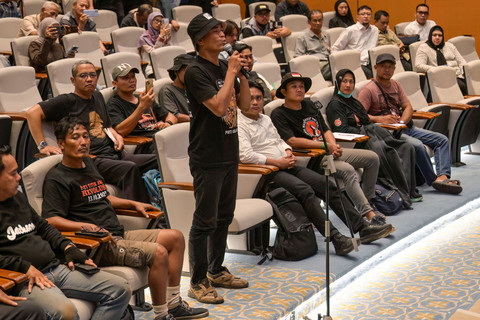
The event took place at the provincial governor’s office on Monday and was attended by heads of district and municipal administrations, as well as KPK representatives from the regional task force. According to the governor, the agenda focused on translating national anti‑corruption policies into concrete actions at the local level.
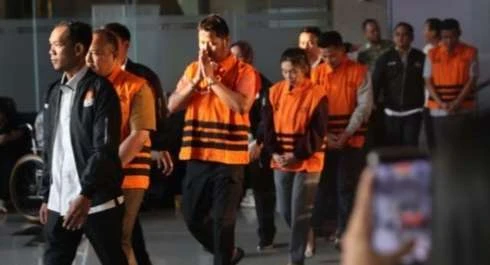
In his opening remarks, Governor Luthfi emphasized that integrity is a prerequisite for effective public service and economic development. He warned that any deviation from ethical standards could erode public trust and impede the province’s growth targets.
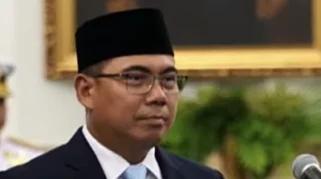
KPK Chairman, in a brief statement, highlighted the agency’s role in providing technical assistance and monitoring mechanisms to detect irregularities early. He reiterated that the commission does not only prosecute but also works preventively with local governments.
The governor instructed the regional heads to establish “integrity desks” within their offices, staffed by trained officers who will conduct risk assessments of procurement and budgeting processes. These desks are expected to submit quarterly reports to both the governor’s office and the KPK task force.
He also mandated that all regional officials complete a mandatory ethics training module within the next 30 days, covering topics such as conflict of interest, gift acceptance, and whistle‑blower protection. Failure to comply will result in administrative sanctions.
Regional leaders responded positively, noting that the directives align with ongoing reforms in their jurisdictions. One regent said, “We will integrate the integrity desks into our existing governance structures without delay.”
Another municipal mayor added that the province’s previous anti‑corruption campaigns have reduced the number of reported cases by 12 percent last year, and the new measures aim to sustain that trend. He cited the successful implementation of e‑procurement as an example of technology supporting transparency.
The meeting also reviewed recent high‑profile corruption cases in Central Java, including the misuse of disaster relief funds after the 2023 flood. The governor reminded officials that such incidents damage the province’s reputation and jeopardize future central government allocations.
KPK officials presented a dashboard that tracks indicators such as the number of complaints received, investigations launched, and convictions secured at the regional level. The data showed a gradual improvement but also identified gaps in early detection.
To close the gaps, the commission proposed a joint audit program where KPK auditors will accompany regional finance officers during budget execution cycles. The pilot will start in three districts with the highest risk scores.
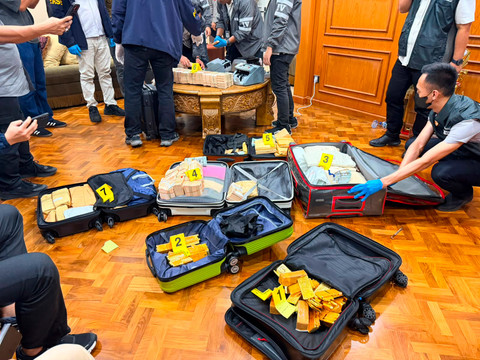
Governor Luthfi pledged provincial budget support for the pilot, allocating Rp 5 billion for capacity building, information systems, and public awareness campaigns. He stressed that the investment is essential for safeguarding public resources.
The governor also announced the launch of a public portal where citizens can submit anonymous reports of suspected corruption directly to KPK. The portal will feature a tracking feature that informs users about the status of their submissions.
Civil society groups present at the meeting welcomed the transparency initiative but called for stronger protection for whistle‑blowers. A representative from the local anti‑corruption NGO said, “We expect the government to act swiftly on any report, otherwise public confidence will erode.”
The provincial government plans to hold quarterly follow‑up meetings with KPK to evaluate the effectiveness of the integrity desks and training programs. These sessions will include performance metrics and corrective actions where needed.
Analysts note that Central Java’s proactive stance could become a model for other Indonesian provinces, especially those struggling with entrenched patronage networks. They argue that coordinated efforts between executive officials and anti‑corruption bodies are critical for systemic change.
The governor concluded the briefing by reiterating that “integrity is not a slogan but a daily practice that each official must embody.” He urged all regional heads to lead by example and foster a culture of zero tolerance toward corruption.
The coordinated effort between Governor Ahmad Luthfi and the KPK signals a reinforced commitment to clean governance in Central Java, aiming to protect public funds and restore citizen confidence in local institutions.