

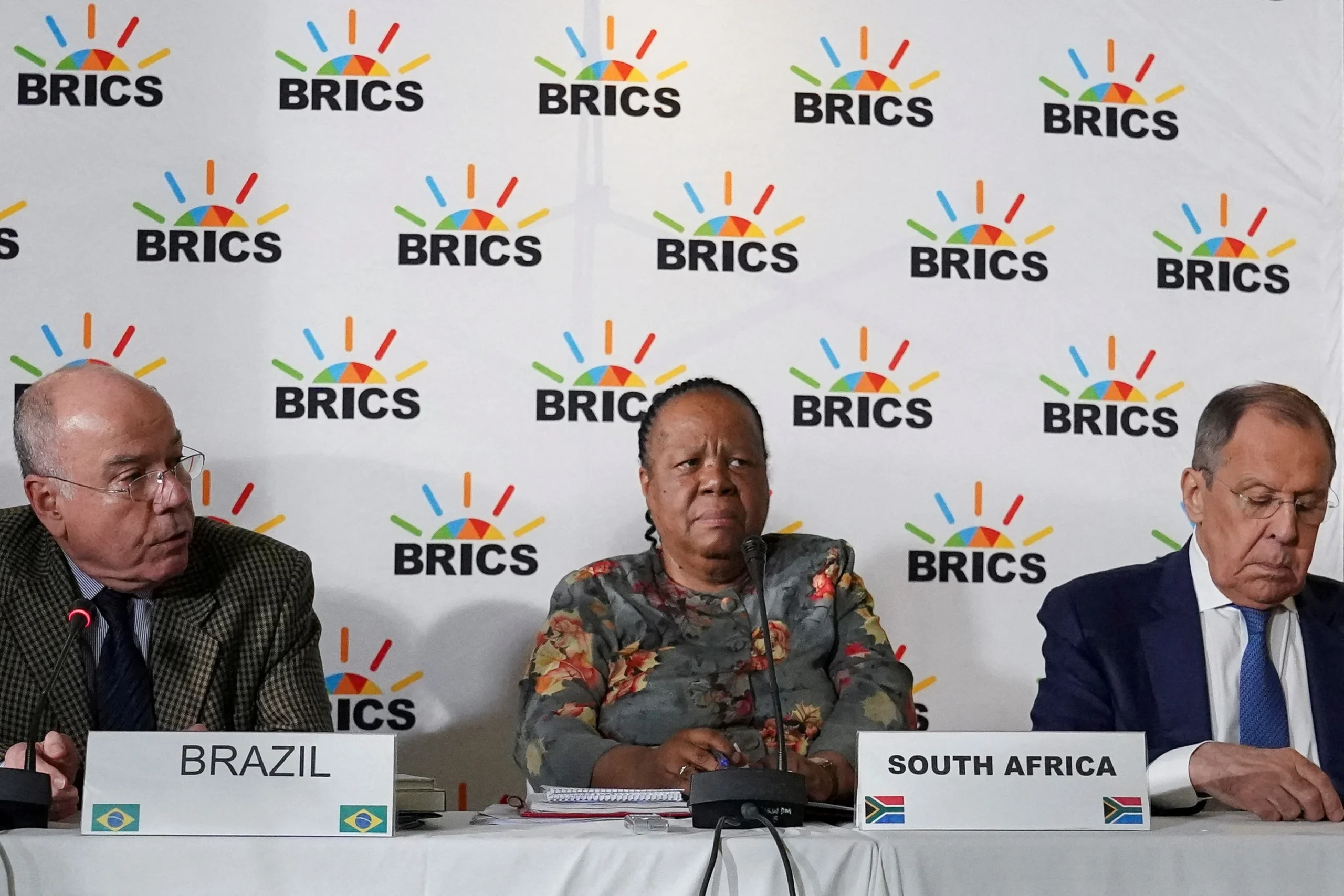
Media Kampung – 29 Maret 2026 | South Africa, as a leading BRICS member, is intensifying efforts to diversify partnerships beyond traditional Western blocs.
The country views the bloc as a platform to promote alternative trade, finance, and security arrangements.
Recent diplomatic engagements in Africa illustrate a broader trend of seeking cooperation with emerging economies.
Indonesia and the West African island nation Sao Tome and Principe signed a visa‑free agreement for diplomatic and official passports during the 11th OACPS summit in Equatorial Guinea.
The pact, announced by Indonesia’s Deputy Foreign Minister Arrmanatha Nasir and Sao Tome’s Foreign Minister Ilza Amado Vaz, underscores a shared island‑state perspective on maritime governance.
Both parties pledged to deepen bilateral trade, investment, and tourism collaboration, especially in cocoa, oil‑gas, and tourism sectors.
Arrmanatha highlighted Indonesia’s expectation of Sao Tome’s support for Jakarta’s bid for a non‑permanent seat on the UN Security Council for 2029‑2030.
The agreement also seeks to lay groundwork for a Preferential Trade Agreement between Indonesia and the ECOWAS bloc.
South Africa’s BRICS agenda aligns with such multilateral outreach, aiming to create a more inclusive global governance framework.
BRICS leaders have repeatedly called for reforms of international financial institutions to reduce Western dominance.
Indonesia’s active role in the OACPS summit and its pursuit of broader diplomatic recognition reflect a similar desire for a multipolar world order.
The visa waiver is expected to facilitate high‑level exchanges, enabling officials to travel more freely for negotiations and joint projects.
Maritime cooperation, a common priority, could see joint patrols and shared research on sustainable fisheries in the Atlantic and Indian Oceans.
South Africa, with its extensive coastline, has expressed interest in collaborating with island nations on marine security.
These initiatives collectively aim to reduce reliance on traditional Western markets and financial systems.
Indonesia’s push for a PTA with ECOWAS could open new markets for its agricultural and manufactured goods.
Sao Tome’s cocoa imports from Indonesia exemplify the potential for South‑South trade growth.
BRICS nations, including South Africa, have been exploring alternative payment mechanisms to bypass the US dollar.
The bloc’s New Development Bank has funded infrastructure projects across Africa, offering alternatives to Western‑led financing.
Indonesia’s involvement in the Archipelagic and Island States forum in Bali earlier this year reinforced its commitment to island cooperation.
South Africa’s participation in similar forums signals a convergence of interests among developing coastal states.
Analysts note that diplomatic steps such as visa liberalisation signal trust and a willingness to share strategic information.
These moves could foster a network of nations capable of collectively negotiating more favorable terms in global trade.
While Western powers remain influential, the emergence of new alliances challenges their monopoly over international rule‑making.
BRICS leaders have advocated for a more democratic International Monetary Fund and World Bank governance structure.
Indonesia’s bid for a UN Security Council seat, supported by African partners, reflects a desire for broader representation.
The collaboration between Indonesia and Sao Tome may serve as a template for other island and coastal nations.
South Africa’s strategic location makes it a natural hub for such South‑South initiatives.
By leveraging shared maritime interests, these countries aim to create resilient supply chains independent of Western sanctions.
Experts suggest that increased diplomatic engagement could accelerate technology transfer and capacity building in the Global South.
The cumulative effect of these diplomatic actions points toward a gradual rebalancing of global power structures.
In the near term, the visa agreement will facilitate smoother coordination on trade missions and joint research projects.
Long‑term, such cooperation could contribute to a more diversified and equitable international system.
South Africa’s leadership in BRICS, combined with Indonesia’s outreach to African island states, highlights a concerted effort to expand options beyond Western dominance.
The evolving network of partnerships signals a shift toward a more multipolar world order.
Artikel ini dipublikasikan oleh Media Kampung.





Tinggalkan Balasan