

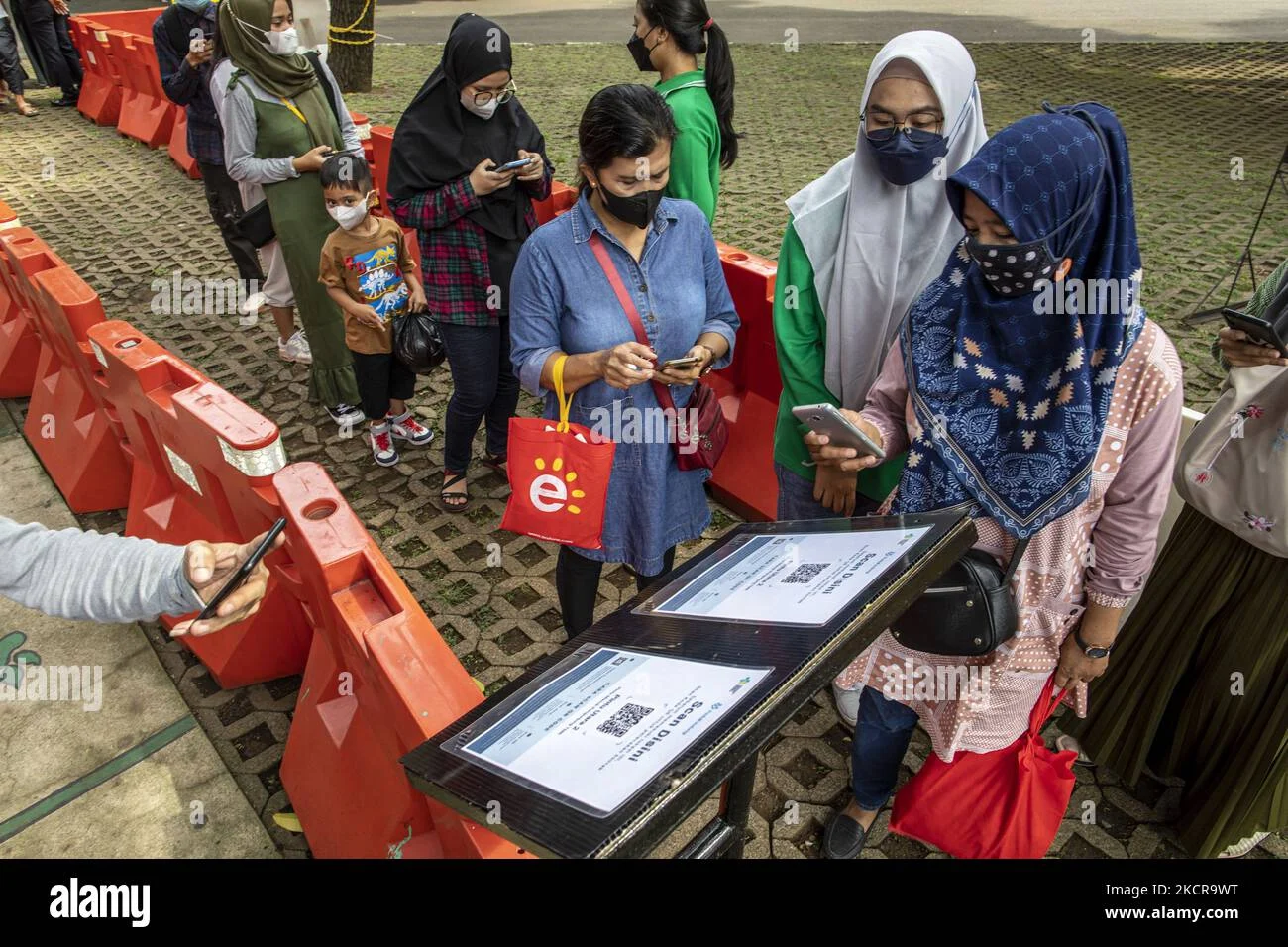
Media Kampung – 29 Maret 2026 | Ragunan Zoo reopened its night program this week after a brief suspension during Ramadan, welcoming visitors for evening tours under improved health protocols.
Management announced that the park will operate from 18:00 to 21:00 daily, with limited capacity to ensure physical distancing.
Ticket prices remain unchanged, and visitors are required to present proof of vaccination or a recent negative test.
Since the reopening, attendance has risen sharply, with the zoo reporting over 150,000 guests in the first ten days.
Officials attribute the surge to families seeking safe outdoor recreation as schools resume regular schedules.
Night tours feature guided walks through the savanna enclosure, where giraffes, zebras and antelopes are most active after dusk.
Park rangers also conduct short talks on conservation, highlighting the zoo’s breeding programs for endangered species.
Meanwhile, the recent death of two Bengal tiger cubs at Bandung Zoo has drawn public attention to animal health standards across Indonesian zoos.
According to the West Java Conservation Agency, the cubs succumbed to Feline Panleukopenia Virus, a highly contagious disease that can spread rapidly in captive populations.
Veterinary experts emphasized the need for stringent biosecurity measures, including regular disinfection and quarantine of new arrivals.
Ragunan’s director, Dr. Arif Pramono, reiterated that the zoo follows a comprehensive health monitoring system for all animals.
He added that routine blood tests and vaccination schedules are in place to detect and prevent outbreaks.
In response to the Bandung incident, Ragunan has intensified its surveillance of feline enclosures and increased staff training on disease control.
Pramono also warned that neglecting feed management could compromise animal immunity, urging staff to maintain proper nutrition protocols.
He cited recent improvements in feed storage, noting that all rations are now kept in temperature‑controlled facilities.
Visitors have expressed relief that the zoo prioritizes animal welfare while offering nighttime experiences.
One guest commented, “Seeing the animals active at night feels special, and I trust the zoo’s safety measures,” reflecting growing public confidence.
Local tourism officials anticipate that the night program will boost Jakarta‘s leisure sector during the post‑Ramadan period.
They project an additional 30,000 visitors to the city’s attractions by the end of the month, driven in part by Ragunan’s extended hours.
Transportation providers have adjusted schedules to accommodate the new evening demand, adding shuttle services from central stations.
Environmental NGOs have praised the zoo’s educational focus, noting that nighttime tours can raise awareness about nocturnal wildlife behavior.
They urged continued investment in habitat enrichment to improve animal wellbeing and visitor engagement.
Overall, Ragunan’s swift reopening and proactive health measures aim to balance public recreation with responsible wildlife stewardship.
The zoo plans to monitor visitor feedback and health data closely, adjusting operations as necessary to maintain safety.
As Jakarta welcomes the festive season, Ragunan stands as a key destination for families seeking safe, educational outings.
Artikel ini dipublikasikan oleh Media Kampung.




Tinggalkan Balasan