

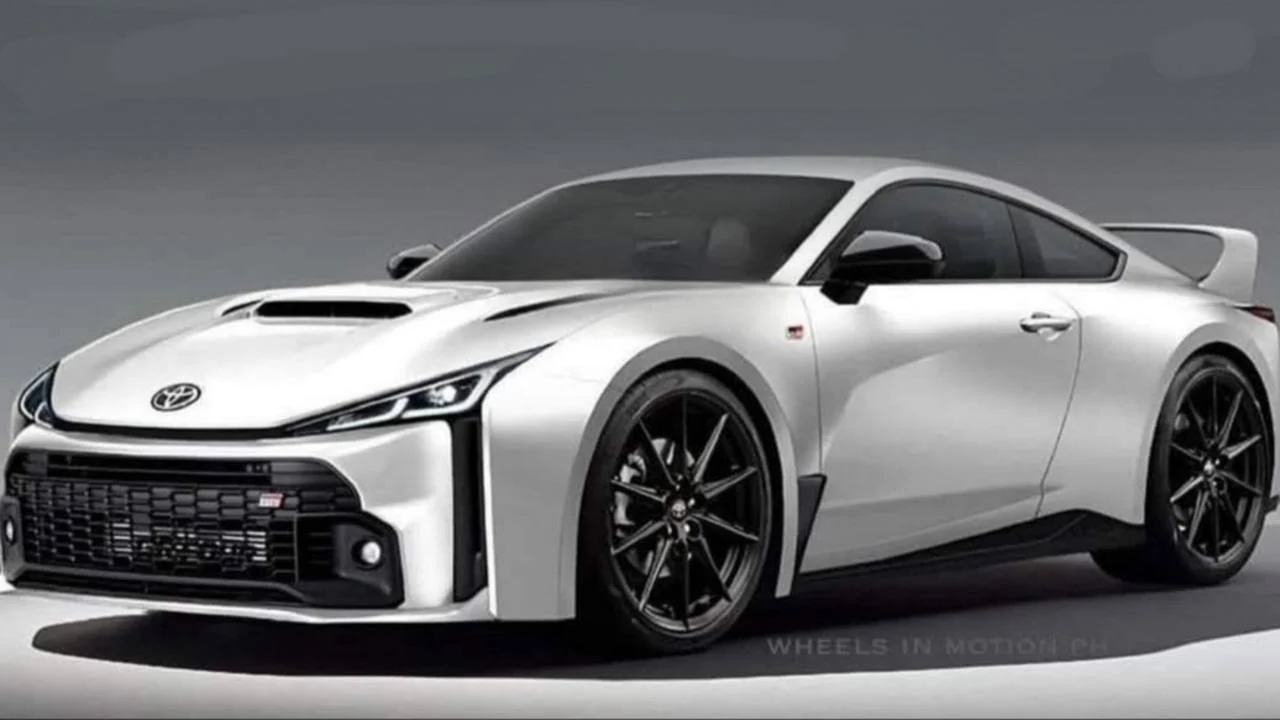
Media Kampung – 30 Maret 2026 | Toyota announced that the iconic Celica will be revived as a mid‑engine sports car, targeting enthusiasts seeking modern performance. The new model is slated for launch in 2027 with a design that blends retro cues and contemporary aerodynamics.
Development began in 2023 under Toyota’s global performance division, which reengineered the chassis to accommodate a transversely mounted V6. Engineers opted for a mid‑engine layout to improve weight distribution and handling dynamics.
Power output is expected to reach 300 horsepower, delivering acceleration from 0 to 100 km/h in under five seconds. The drivetrain will feature a dual‑clutch 6‑speed gearbox with paddle shifters.
Exterior styling retains the classic Celica silhouette, including the long‑hood and short‑deck proportions. LED headlights and a retractable rear spoiler add a futuristic touch.
Interior appointments focus on driver‑centred ergonomics, with a digital instrument cluster and a 10‑inch infotainment screen. Materials such as Alcantara and brushed aluminum aim to convey a premium feel.
Toyota plans to assemble the new Celica at its plant in Thailand, leveraging regional supply chains to keep costs competitive. The company expects the vehicle to be exported to key markets including Japan, the United States, and Indonesia.
In Indonesia, the mid‑engine Celica could fill a niche between affordable LCGC models and high‑end imports. While LCGC cars like the Agya and Brio dominate the budget segment, there is growing demand for performance‑oriented vehicles among affluent millennials.
Recent data shows that the average price of new LCGC cars has risen to between Rp140 million and Rp200 million, prompting many buyers to consider used LCGC options. The Celica’s pricing, projected around Rp600 million, positions it well above the LCGC range but still below many imported sports cars.
Automotive analysts note that Toyota’s strategy mirrors its global push to revive heritage models with modern powertrains. “Reintroducing the Celica as a mid‑engine car leverages brand nostalgia while meeting contemporary performance expectations,” said a senior analyst at an Indonesian market research firm.
The announcement was made at a press conference in Jakarta, where Toyota executives highlighted the vehicle’s safety suite. Standard equipment includes adaptive cruise control, lane‑keeping assist, and automatic emergency braking.
Fuel efficiency remains a consideration, even for a performance car. The V6 engine incorporates Toyota’s latest hybrid‑assist technology, aiming for a combined consumption of about 9 L/100 km.
Environmental regulations in Indonesia have tightened, with stricter emission standards slated for 2028. Toyota’s hybrid system is designed to meet Euro 5‑equivalent limits, ensuring compliance.
The company also revealed plans for limited‑edition trims that will feature carbon‑fiber body panels. Production of these variants will be capped at 1,500 units worldwide.
Enthusiasts can expect a launch event in early 2027, where test drives will be available for media and select customers. Pre‑orders are expected to open shortly after the reveal.
The revival of the Celica arrives at a time when the domestic automotive market is diversifying. Beyond LCGC dominance, manufacturers are introducing electric and hybrid models to capture environmentally conscious buyers.
Toyota’s investment in hybrid technology aligns with government incentives for low‑emission vehicles. Buyers of the new Celica may benefit from tax reductions and reduced registration fees.
Market analysts predict that the Celica could capture a modest share of the premium sports segment, estimated at 2‑3 % in its first two years. This would translate to several thousand units sold annually in Indonesia.
The new Celica will compete with imported models such as the Subaru BRZ and Toyota’s own GR86, but with a distinct mid‑engine architecture. Toyota hopes the unique layout will differentiate the Celica in a crowded field.
Consumer response to the announcement has been largely positive on social media, with many expressing excitement over the return of a beloved nameplate. Some commenters, however, caution that pricing must remain realistic for local buyers.
Toyota has pledged to support the model with a comprehensive warranty program, covering five years or 100,000 km. Service networks across Indonesia will receive specialized training for the mid‑engine platform.
The company’s broader roadmap includes electrifying its portfolio, with plans for a fully electric Celica variant by the early 2030s. This long‑term vision underscores Toyota’s commitment to sustainable mobility.
In summary, the resurrected Celica aims to blend heritage, performance, and modern efficiency, targeting a segment that seeks more than the affordable LCGC options while remaining mindful of Indonesia’s evolving regulatory landscape.
Artikel ini dipublikasikan oleh Media Kampung.







Tinggalkan Balasan