

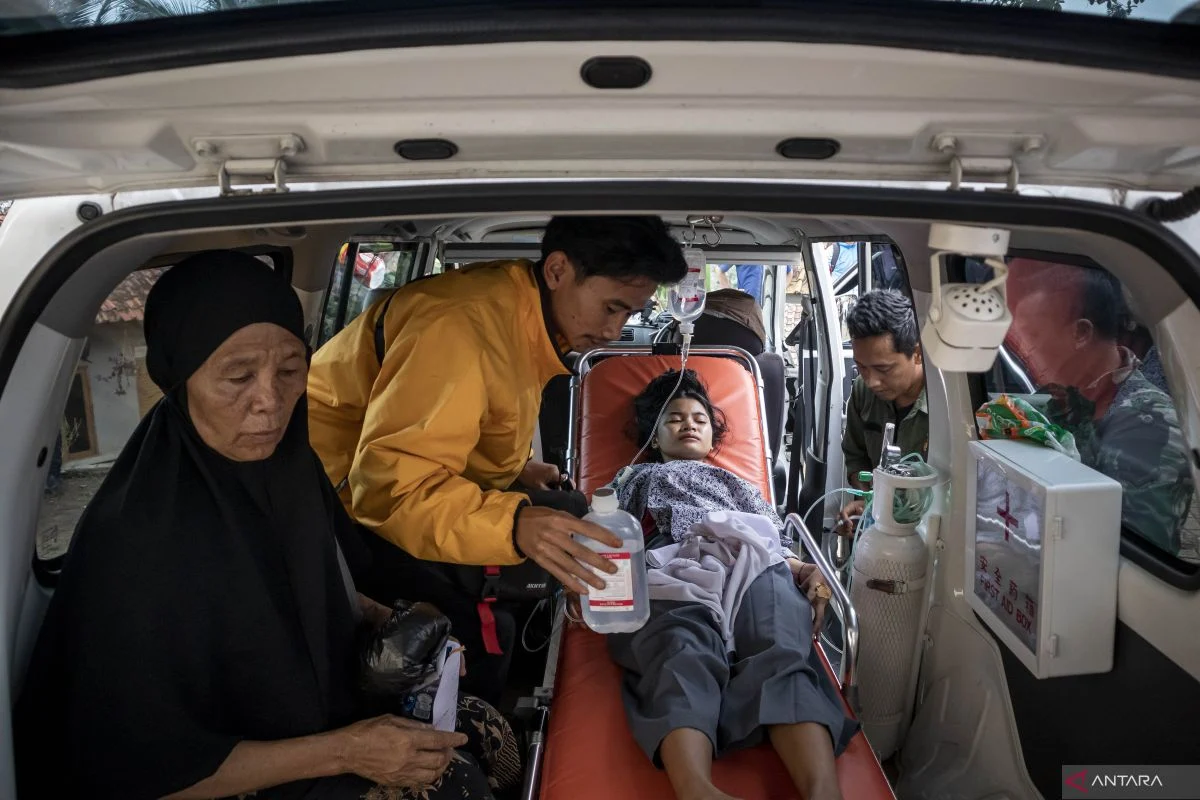
Media Kampung – 04 April 2026 | Seventy‑two pupils from a public school in Pondok Kelapa, East Jakarta, were reported to have suffered food poisoning after eating spaghetti produced by MBG.
Symptoms such as nausea, vomiting and abdominal pain appeared within a few hours after the lunch, prompting immediate medical attention.
School officials halted the meal service and escorted the affected students to nearby health facilities for evaluation.
Local health authorities confirmed the cases as probable food‑borne illness and began laboratory testing of the remaining food samples.
Governor Pramono Anung visited the school, assured that the handling and treatment of the students were proceeding smoothly, and urged swift investigation.
The governor emphasized that the government will coordinate with the health department to trace the source of contamination and hold responsible parties accountable.
According to the Jakarta Provincial Health Agency, the majority of the affected students are in the elementary grades, and their conditions are currently stable.
Medical teams have administered rehydration therapy and monitored vital signs to prevent complications.
Parents were notified through school channels and gathered at the school’s assembly hall for updates and guidance.
The school principal, Hadi Santoso, expressed regret over the incident and pledged to review the procurement process for school meals.
He added that the school will temporarily suspend external catering until safety certifications are verified.
Investigators collected leftover spaghetti, sauces and kitchen utensils for microbiological analysis to identify possible pathogens.
Preliminary reports suggest the presence of bacterial contamination, though definitive results are pending.
MBG, a well‑known instant noodle and pasta brand in Indonesia, issued a statement expressing concern and committing to cooperate with authorities.
The company’s spokesperson said they will provide full documentation of the product batch and distribution records.
Food safety experts warned that improper storage or handling at the school kitchen could exacerbate contamination risks.
They highlighted the importance of maintaining cold chain logistics and adhering to hygiene protocols in institutional catering.
The Jakarta education office announced that a temporary audit of school canteens across the city will be conducted within the next week.
Officials aim to ensure that all school meals meet national safety standards to prevent similar incidents.
Previous cases of food poisoning in Indonesian schools have prompted stricter regulations, yet challenges remain in monitoring decentralized catering services.
Community leaders called for increased transparency and regular health checks for students consuming school‑provided meals.
As of the latest update, no fatalities have been reported, and all affected students are expected to recover fully.
The incident underscores the need for vigilant food safety oversight in educational institutions.
Authorities continue to monitor the situation and will release further findings once laboratory results are available.
In the meantime, parents are advised to observe their children for any lingering symptoms and seek medical care if necessary.
The government reiterates its commitment to safeguarding child health and ensuring that school nutrition programs are safe and reliable.
Artikel ini dipublikasikan oleh Media Kampung.






Tinggalkan Balasan