

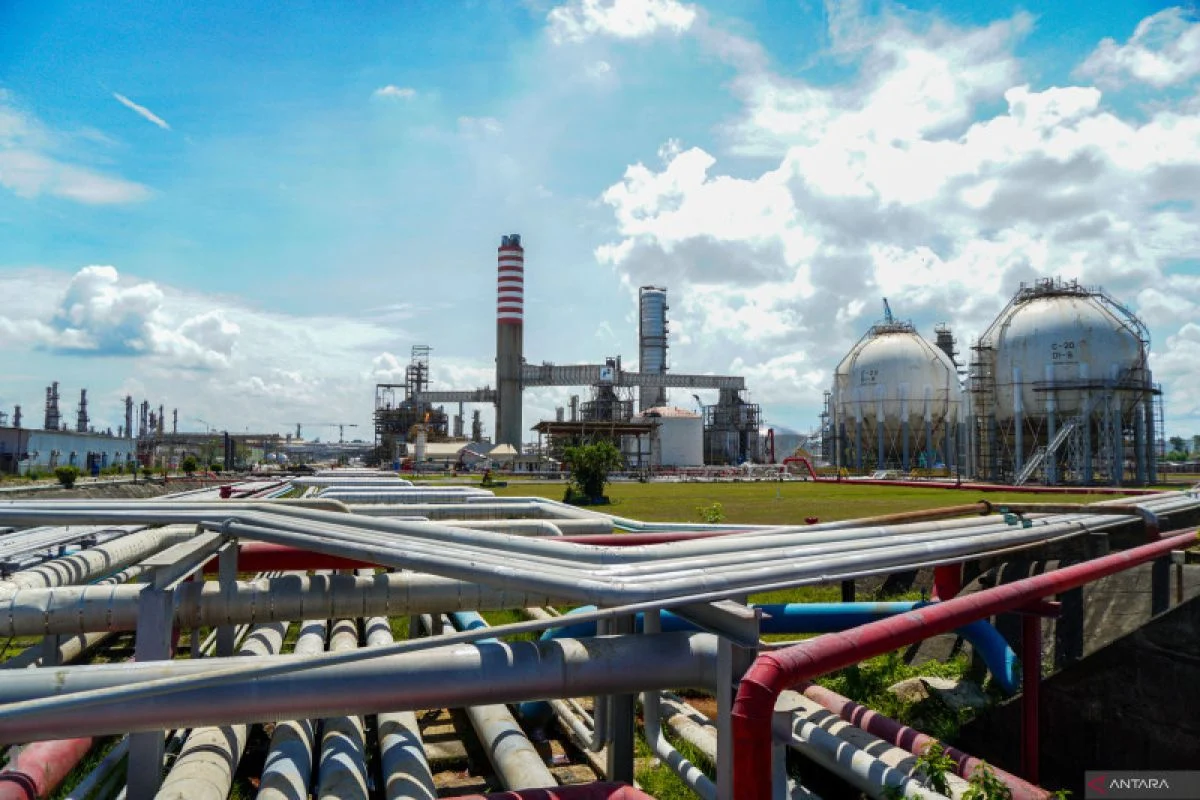
Media Kampung – 07 April 2026 | Saudi Arabia seeks control of the largest oil refinery in the United States, signaling an expansion of its downstream assets abroad. The move raises concerns among U.S. regulators about foreign ownership of critical energy infrastructure.
The targeted facility in Texas processes over 600,000 barrels per day, making it a strategic asset for domestic fuel supply. Saudi state‑owned Aramco has entered negotiations with the current owner.
Iran launched missile and drone attacks on a refinery in Bahrain, igniting a fire that disrupted production. The incident marked the first direct strike on Bahrain’s energy sector since the 2019 Gulf tensions.
Bahraini authorities reported a temporary shutdown of the affected unit, estimating losses of several thousand barrels per day. Emergency crews contained the blaze within hours, but repairs may take weeks.
Qatar’s foreign ministry issued a statement condemning attacks on civilian infrastructure in the region. The statement highlighted the risk such actions pose to regional stability and global oil supplies.
Israel claimed responsibility for destroying Iran’s largest refinery near Ahvaz, asserting it targeted a hub of Tehran’s war capacity. The claim, however, remains unverified by independent observers.
The series of attacks and ownership disputes have contributed to heightened volatility in crude oil markets. Brent crude hovered above $85 per barrel, while U.S. West Texas Intermediate traded near $82.
Analysts attribute the price swings to supply uncertainty combined with geopolitical risk premiums. Traders monitor the Strait of Hormuz, a chokepoint through which a fifth of global oil passes.
Recent reports indicate that the Hormuz corridor experienced intermittent disruptions due to naval maneuvers. Shipping companies rerouted vessels, adding to freight costs.
In parallel, India has quietly increased imports of Iranian crude despite U.S. sanctions. Mumbai’s petroleum traders cite price discounts and reliability as key factors.
Indian refiners claim the purchases comply with domestic energy security policies and are conducted through third‑party channels. The move underscores Delhi’s willingness to diversify supply sources amid market turbulence.
The United States has warned that any sanctions evasion could trigger secondary penalties. Nevertheless, Indian officials argue that their actions are consistent with international law.
The combined effect of refinery ownership changes, regional attacks, and sanction circumvention is reshaping global refining capacity. Experts warn that long‑term shifts could alter trade flows.
Saudi Arabia’s potential acquisition could give it greater influence over North American fuel markets. Critics argue that such concentration may reduce competition.
Bahrain’s refinery, once a key exporter of gasoline to Gulf states, now faces reduced output. The loss may compel neighboring countries to import more refined products.
Iran’s retaliatory rhetoric suggests possible escalation if its facilities continue to be targeted. Tehran’s foreign ministry warned of “proportional responses” to any further aggression.
Qatar’s diplomatic stance reflects its role as a mediator in regional disputes. Doha has called for de‑escalation and the protection of civilian infrastructure.
The oil price outlook remains uncertain as analysts weigh the likelihood of further disruptions. Forecasts range from modest gains to sharp spikes if conflict spreads.
Energy ministries across the Middle East are reviewing emergency response plans. Some are stockpiling strategic reserves to buffer against supply shocks.
International organizations, including OPEC+, have urged restraint and emphasized the need for market stability. The bloc’s recent meeting reiterated commitments to balanced production.
U.S. regulators are tightening review processes for foreign investments in critical infrastructure. The Committee on Foreign Investment in the United States (CFIUS) has signaled heightened scrutiny.
Industry insiders note that refinery upgrades and digitalization are becoming priorities to mitigate operational risks. Advanced monitoring can detect anomalies before attacks cause major damage.
The broader energy transition adds another layer of complexity, as governments push for lower‑carbon fuels. Yet, oil remains the backbone of global transport and industry.
Stakeholders across the supply chain are adapting to a volatile environment by diversifying sources and enhancing security protocols. This shift may influence investment patterns in the coming years.
In sum, the convergence of geopolitical tensions, strategic acquisitions, and market dynamics is redefining the oil refinery landscape. Observers will watch closely how these developments affect global energy security.
Artikel ini dipublikasikan oleh Media Kampung.







Tinggalkan Balasan