Daftar Isi
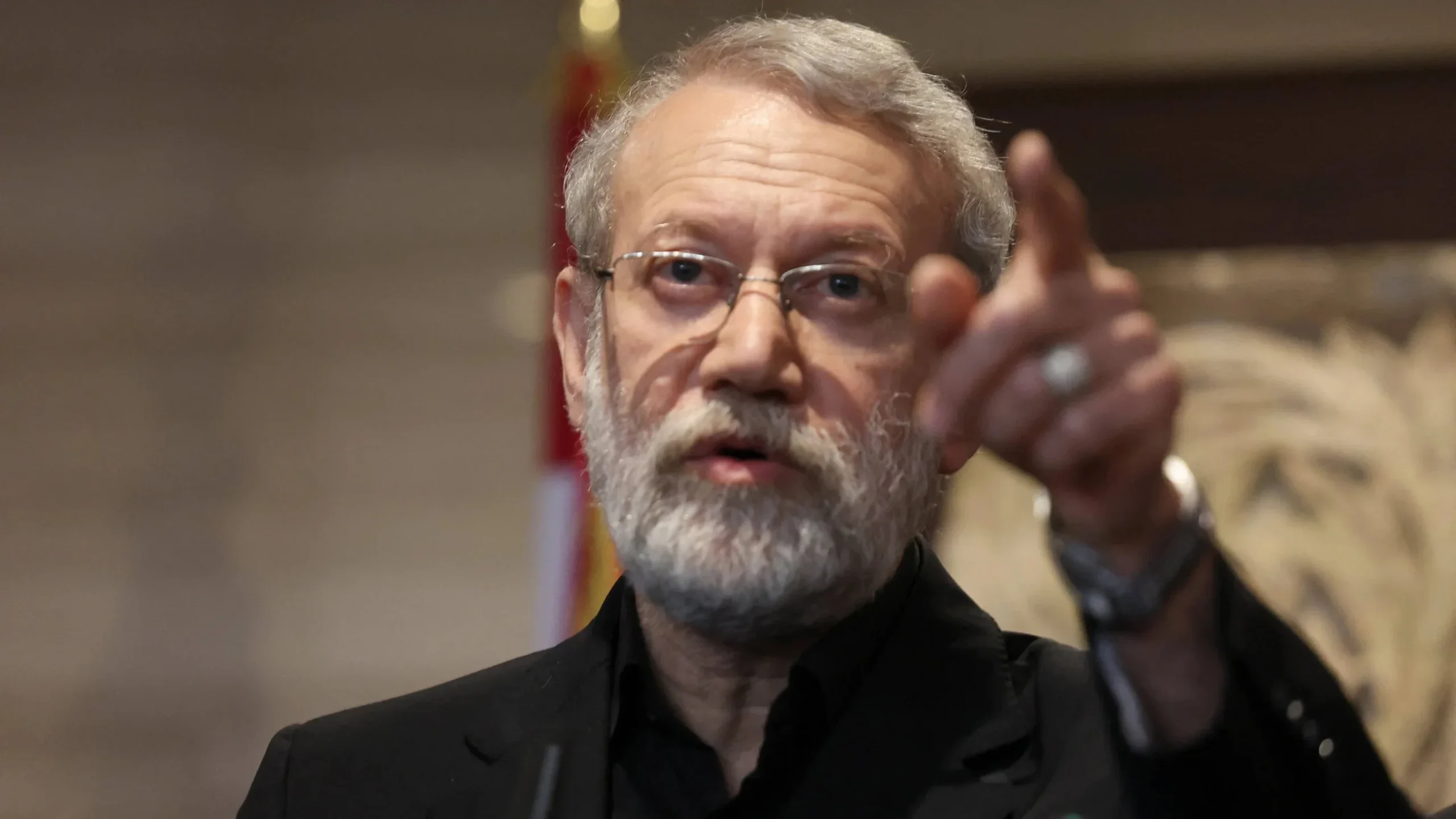
Media Kampung – 17 Maret 2026 | Iranian security chief Ali Larijani has become the focal point of a rapidly evolving controversy after Israel publicly announced his death in an air strike on 16 March 2026. The claim, made by Israeli Defense Minister Israel Katz, sparked a flurry of reactions across regional media and diplomatic circles. Within hours, the official social‑media accounts of Larijani posted a handwritten note, suggesting that the Iranian leadership had not confirmed the reported casualty.
Israeli Announcement and Immediate Reactions
In a televised briefing on 17 March, Katz asserted that senior Iranian figures, including Larijani, the Secretary of the Supreme National Security Council, and the head of the Basij militia, had been eliminated during a night‑time operation. The statement, echoed by Israeli news outlets such as The Times of Israel and Azernews, portrayed the strike as a decisive blow against Iran’s security apparatus.
Iranian state media, however, offered no confirmation of Larijani’s demise. A spokesperson for the public broadcasting corporation described the reports as “unverified” and emphasized that Iran was still assessing the situation. The lack of an official Iranian response left analysts to interpret the silence as either a strategic delay or an indication that the claim might be inaccurate.
Larijani’s Own Social‑Media Message
On the same day, Larijani’s verified X and Telegram accounts shared a handwritten note, dated only by its content, not by a timestamp. The message honored 84 Iranian sailors who perished when the frigate IRIS Dena was torpedoed by a U.S. submarine on 4 March near Sri Lanka. Larijani wrote that the sacrifice of the “brave soldiers of the Navy and the Army of the Islamic Republic” would remain in the nation’s memory and strengthen the armed forces for years to come.
The post did not address the Israeli claim directly, but its timing was notable. By focusing on the naval tragedy, Larijani shifted public attention to Iran’s broader security challenges in the Indian Ocean, where the Dena incident expanded the Middle‑East conflict into a new maritime theater.
Strategic Context Behind the Claims
The alleged strike on Larijani follows a series of escalatory moves in the region. Earlier in March, former U.S. President Donald Trump threatened a “double‑strength” attack on Iran if Tehran continued to block the Strait of Hormuz. Larijani had previously dismissed Trump’s warning as ineffective, stating that Iran would not be intimidated.
Israel’s declaration can be viewed as an attempt to weaken Iran’s command structure after the death of Supreme Leader Ayatollah Ali Khamenei in a joint U.S.–Israeli operation on 28 February. Larijani, who briefly assumed interim leadership, is considered one of the most influential figures in Tehran’s security hierarchy. Removing him could, in theory, give the Iranian military greater autonomy and potentially tighten its grip on internal affairs.
International and Regional Implications
If the Israeli claim proves accurate, the loss of Larijani could prompt a reshuffling of Iran’s security leadership, possibly elevating more hard‑line commanders. Such a shift might intensify Tehran’s posture in the ongoing maritime dispute and affect negotiations over the Strait of Hormuz, a critical chokepoint for global oil supplies.
Conversely, if the claim is unfounded, the episode illustrates how information warfare is being used by regional actors to sow uncertainty and test the resolve of adversaries. The rapid dissemination of contradictory reports highlights the challenges faced by journalists in verifying facts amid heightened digital propaganda.
For now, Iran has not issued a definitive statement regarding Larijani’s status, and the international community remains watchful. The episode underscores the fragile balance of power in the Middle East and the potential for miscalculations to trigger broader confrontations.
In summary, the disputed report of Ali Larijani’s death reflects both the intensity of the Israel‑Iran rivalry and the strategic importance of Iran’s security leadership. Whether the claim is factual or part of a broader information campaign, the incident will likely influence Tehran’s internal dynamics and its external diplomatic posture in the weeks ahead.
Artikel ini dipublikasikan oleh Media Kampung.