

Media Kampung – 25 Maret 2026 | Africa hosts a range of giant reptiles that dominate its rivers, lakes and seas, while the continent also faces occasional massive tsunamis that threaten both human settlements and wildlife.
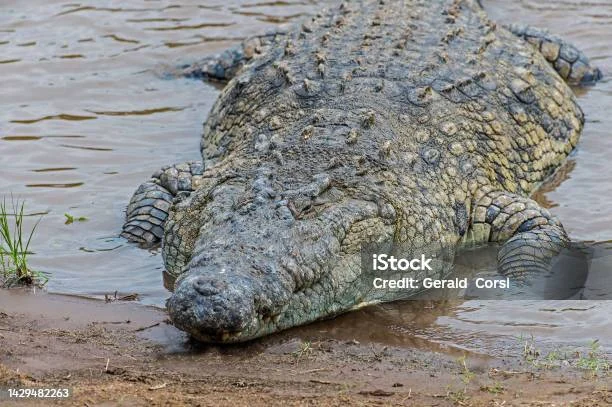
The Nile crocodile (Crocodylus niloticus) stands as the largest reptile on the continent, reaching lengths of 6.5 meters and weighing up to one ton, making it a top predator in freshwater habitats.
Its distribution stretches from Angola and Benin to Tanzania and South Africa, where it inhabits swamps, rivers, lakes, reservoirs and brackish coastal zones.
The crocodile’s size enables it to prey on a wide spectrum, from insects and fish to large mammals such as zebra and buffalo, reinforcing its ecological role as an apex predator.
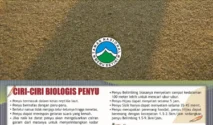
The leatherback sea turtle, known locally as penyu belimbing, is the world’s biggest turtle and the largest marine reptile found off African shores, measuring up to three meters and weighing as much as 900 kilograms.
Unlike most turtles, the leatherback spends almost its entire life in open ocean, surfacing only to lay between 50 and 170 eggs on remote beaches along the western, eastern and southern coasts.
The green turtle (penyu hijau) is another prominent marine reptile, but its populations are declining sharply due to poaching, habitat loss and climate‑induced nest failures, prompting urgent conservation measures.
The African spurred crocodile, or slender‑snouted crocodile (Mecistops cataphractus), reaches 3–4.5 meters in length and can weigh up to 600 kilograms, and it is distinguished by a narrow snout adapted for catching fish.
This species is known for its unusual habit of basking on tree branches or fallen logs, a behavior observed from Lake Tanganyika to the Gambia River basin.
The fourth giant reptile mentioned in regional surveys is the temuan turtle (penyu tempayan), a large sea turtle that inhabits the same coastal waters and contributes to the biodiversity of African marine ecosystems.
Together, these five reptiles exemplify the biological richness of Africa, yet they all face threats from illegal hunting, pollution and climate change, which jeopardize their long‑term survival.
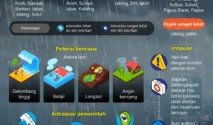
Adding to the environmental pressures, the African coastline has historically suffered from rare but devastating tsunamis that can reshape habitats and endanger both people and wildlife.
The earliest recorded event occurred in 365 AD near Alexandria, where an undersea earthquake generated waves that surged across the Mediterranean, causing massive loss of life in Egypt and neighboring regions.
In 1755, a powerful quake off the coast of Portugal triggered a tsunami that travelled across the Atlantic, striking Morocco’s shoreline and damaging ports that serve as nesting sites for sea turtles.
The 1883 eruption of Krakatau produced a trans‑oceanic tsunami whose energy reached the eastern African coast, raising sea levels and briefly disturbing coastal ecosystems far from the source.
The most recent large‑scale event was the 2004 Indian Ocean tsunami, which after striking Indonesia, propagated westward and inflicted damage on Somalia and Tanzania’s coastal communities.
Scientists note that such waves can erode nesting beaches, wash away turtle eggs and alter river mouths that crocodiles rely on for breeding and feeding.
‘When a tsunami reshapes a shoreline, it directly impacts the reproductive success of turtles and the nesting habitats of crocodiles,’ said Dr. Amina Yusuf, a wildlife biologist at the University of Dar es Salaam.
Conservation programs now incorporate tsunami risk assessments into habitat protection plans, aiming to restore sand dunes and vegetative buffers that can mitigate wave impact.
Regional authorities are also improving early‑warning systems, linking seismic monitoring with community outreach to reduce casualties and safeguard critical wildlife zones.
Despite these challenges, population surveys indicate that Nile crocodile numbers have begun to recover in several protected areas, thanks to anti‑poaching patrols and community‑based stewardship.
Leatherback turtles have shown modest nesting rebounds in countries such as South Africa and Namibia, where strict egg‑collection bans have been enforced in recent years.
However, the green turtle remains classified as critically endangered in many African nations, requiring intensified habitat restoration and stricter trade regulations.
The slender‑snouted crocodile continues to suffer from habitat fragmentation, prompting researchers to advocate for the creation of river corridors that connect isolated populations.
Overall, the coexistence of Africa’s giant reptiles and the occasional threat of tsunamis underscores the need for integrated conservation strategies that address both biological and geological risks.
Continued investment in scientific monitoring, community education and trans‑national cooperation will be essential to preserve these iconic species for future generations.
The article highlights that safeguarding Africa’s natural heritage demands vigilance against both human exploitation and natural calamities that can reshape ecosystems overnight.
Artikel ini dipublikasikan oleh Media Kampung.



Tinggalkan Balasan