

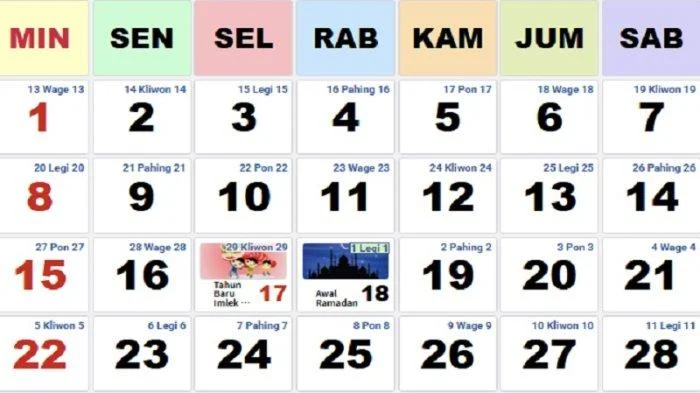
Media Kampung – 20 Maret 2026 | The nation’s mosques held the last Friday sermon of Ramadan on 20 March 2026, focusing on the imminent celebration of Idul Fitri.
The khutbah, delivered by several prominent khatibs, emphasized the spiritual transition from the fasting month to the festive month of Syawal.
In the opening, the khatib recited the traditional Arabic praise, then reminded the congregation of Allah’s mercy and the duty to uphold piety.
He cited the Qur’an verse “Worship your Lord until certainty reaches you” to underline the need for continued devotion after Ramadan ends.
The sermon highlighted that Syawal, whose name derives from the Arabic “syala” meaning “to rise,” symbolizes an elevation of faith and obedience.
According to the khatib, the month of Syawal offers an opportunity to extend the good deeds cultivated during Ramadan.
The preacher quoted a hadith from Abu Hurairah describing the three phases of Ramadan: mercy, forgiveness, and liberation from the fire of hell.
He warned that many worshippers may feel relief at the end of fasting, but that sentiment could mask a weakening of iman if good deeds are abandoned.
“When the last night of Ramadan passes, the heavens weep, the earth sighs, and the angels mourn the departure of the blessed month,” the khatib quoted from a classical narration.
The sermon urged believers to complete the remaining obligations, such as paying zakat fitrah, before the dawn of 1 Syawal.
Community leaders in Jakarta reported that mosques expected a surge in attendance for the final Friday prayer, reflecting the emotional weight of the moment.
Survey data from a local religious council indicated that over 80 % of respondents plan to increase charitable activities in the first ten days of Syawal.
The khatib also reminded the audience that the reward for deeds performed in Syawal can multiply, referencing a prophetic tradition that virtues are amplified in the month after Ramadan.
He encouraged families to maintain the rhythm of Qur’an recitation, night prayers, and communal dhikr beyond the fasting period.
In addition to spiritual advice, the sermon addressed practical concerns such as traffic management for Eid celebrations and the need for public health precautions.
Officials from the Jakarta Police Department confirmed coordination with mosque committees to ensure orderly movement of worshippers during Idul Fitri processions.
The health ministry reiterated vaccination recommendations for congregants, citing recent reports of respiratory infections during mass gatherings.
Observers noted that the tone of the khutbah balanced gratitude for the blessings of Ramadan with a sober reminder of the responsibility to sustain moral conduct.
Media analysts described the sermon as a “bridge” narrative, linking the communal joy of Eid with the longer‑term objective of societal cohesion.
The final call concluded with a collective salawat, asking Allah to accept the fasts, prayers, and charitable acts of the Muslim ummah.
As the sun set on the last Friday of Ramadan, congregants dispersed with renewed commitment to carry the spirit of the holy month into the days of Syawal.
Religious scholars anticipate that the momentum generated by this khutbah will influence mosque programming throughout the post‑Ramadan period.
The article closes noting that the nation now looks ahead to Idul Fitri, while reminding that the true legacy of Ramadan lies in enduring piety.
Artikel ini dipublikasikan oleh Media Kampung.





Tinggalkan Balasan