

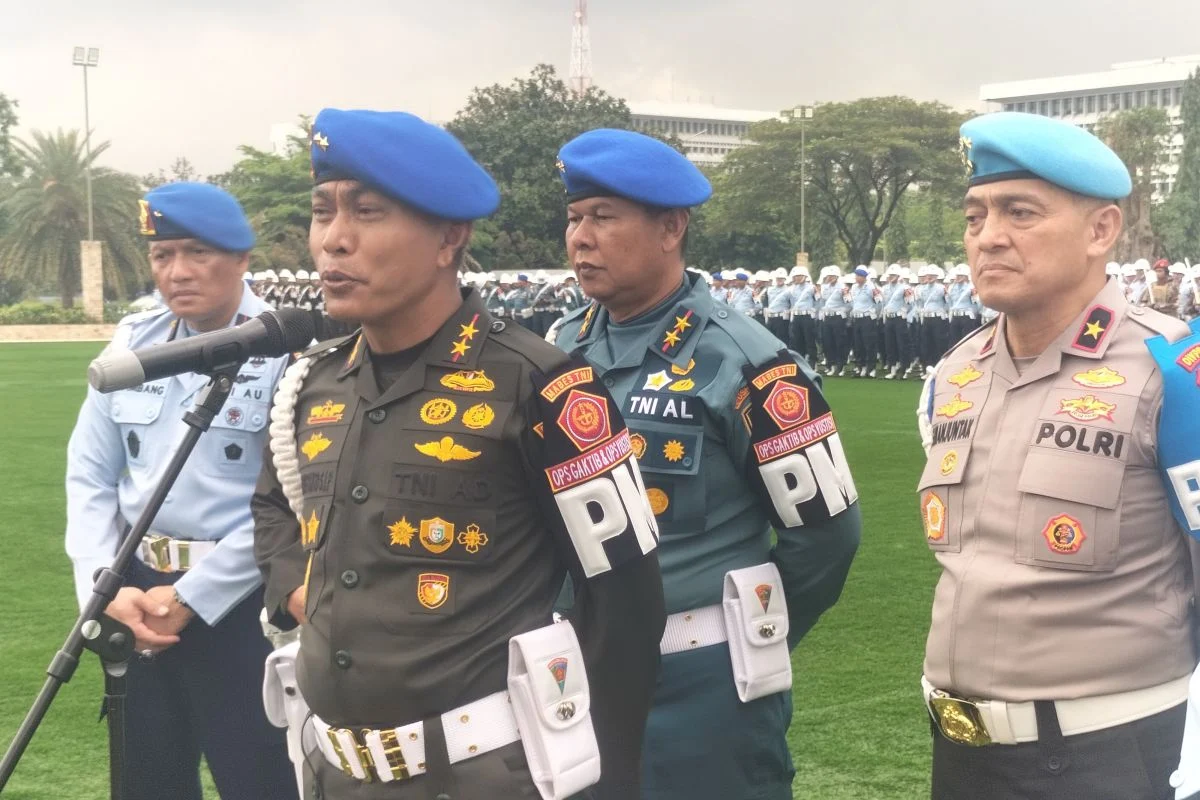
Media Kampung – 28 Maret 2026 | The TNI headquarters announced on Monday that any breach of law by its personnel will be prosecuted without exception. The statement reflects President Prabowo Subianto’s pledge to reinforce civilian supremacy over the armed forces.
The directive follows the recent resignation of Lieutenant General Yudi Abrimantyo from his post as head of the Strategic Intelligence Agency. His departure, described by some observers as an act of moral courage, has intensified scrutiny of the military’s internal accountability mechanisms.
According to officials, the new policy requires immediate referral of alleged offenses to the Military Police (Puspom TNI) for preliminary investigation. Cases will then be handed over to the military justice system or civilian courts depending on the nature of the violation.
The president’s office emphasized that the measure aims to close the “culture of impunity” that has long been cited by human‑rights groups. It also seeks to align the armed forces with the 2004 law that mandates professional and apolitical conduct.
Legal analysts note that the move could strengthen horizontal checks among state institutions, a concept highlighted by political scientist Guillermo O’Donnell. Effective implementation will depend on the independence of investigators and the transparency of proceedings.
In a press conference, the head of Puspom TNI, Colonel Agus Setiawan, affirmed that the unit will pursue all complaints swiftly. He added that any attempt to obstruct justice will be treated as a separate offense.
The recent case involving a water‑jet attack on activist Andrie Yunus in March rekindled public concern over military involvement in civilian affairs. Although the investigation remains open, the incident is being used as a reference point for the new enforcement policy.
Supporters of the reform argue that holding individual soldiers accountable will restore public trust. They point to Abrimantyo’s resignation as a precedent for senior officers taking responsibility before judicial conclusions are reached.
Critics, however, warn that symbolic actions may mask deeper structural problems. They argue that without comprehensive changes to the chain‑of‑command culture, isolated prosecutions will have limited impact.
The president’s spokesperson reiterated that the administration will monitor the process through an inter‑agency oversight panel. The panel will include representatives from the Ministry of Law and Human Rights and the National Commission on Human Rights.
Civil‑society organizations have welcomed the announcement but called for regular public reports. They stress that transparency is essential to prevent the recurrence of cases similar to the 2017 murder of journalist Natalius.
The Ministry of Defense issued a directive ordering all military units to update their internal compliance manuals by the end of June. Failure to comply will result in administrative sanctions.
Meanwhile, the military’s legal department is drafting amendments to the Military Criminal Code to incorporate stricter penalties for abuse of authority. Drafts are expected to be presented to the parliament in the coming months.
The statement also mentioned that soldiers convicted of serious crimes will be barred from future promotions and pension benefits. This policy mirrors reforms adopted by several NATO member states.
Observers note that the timing coincides with upcoming legislative elections, raising questions about political calculations. Nonetheless, the president’s firm stance has been praised by opposition parties as a step toward genuine civilian control.
International partners have expressed support for Indonesia’s effort to strengthen rule of law in its armed forces. A recent statement from a regional security forum highlighted Indonesia’s “progressive approach” to military reform.
As the new procedures take effect, the TNI has scheduled quarterly briefings to inform the public about ongoing cases. These briefings will be streamed on official channels to ensure accessibility.
Overall, the initiative signals a decisive shift toward accountability, aiming to deter future violations and reinforce democratic norms within the armed forces. The government urges all stakeholders to cooperate in safeguarding the rule of law.
Artikel ini dipublikasikan oleh Media Kampung.





Tinggalkan Balasan