

Media Kampung – 27 Maret 2026 | Government rescinded the plan for nationwide online schooling amid an energy‑efficiency drive, prompting mixed reactions across the education sector.
The decision was announced on Friday, 27 March 2026 by the Coordinating Ministry for Human Development and Culture.
Authorities aim to restore face‑to‑face instruction while reducing electricity consumption in schools.
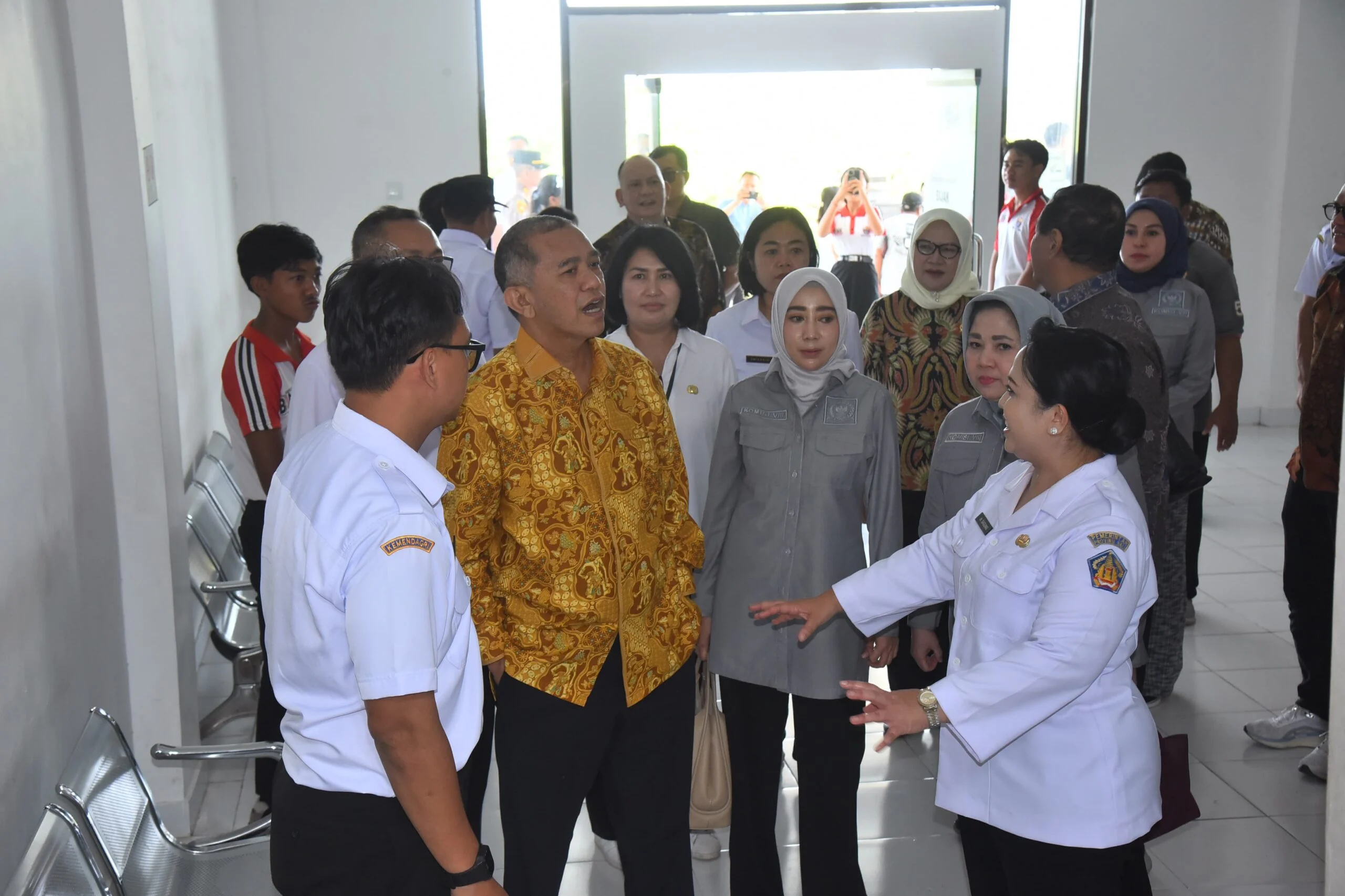
Vice Chairman of Commission VIII of DPR RI, Singgih Januratmoko, welcomed the cancellation as a responsive policy shift.
He emphasized that quality education remains the cornerstone of human development.
According to Singgih, balancing energy savings with learning outcomes is essential for sustainable progress.
The commission highlighted that in‑person classes are crucial for character building, especially in religious schools.
In madrasah settings, direct interaction supports moral and spiritual formation beyond academic content.
Recent national assessment data show a decline of 5.2 points in numeracy and literacy scores in regions with high online learning intensity over three years.
The figures were drawn from the 2024 National Assessment report released by the Ministry of Education.
Simultaneously, the Ministry of Religious Affairs reported that 34 percent of madrasahs in remote 3T areas lack reliable internet access and stable signals.
Connectivity gaps have contributed to higher dropout rates at the junior and senior secondary levels.
Singgih warned that forcing digital lessons in underserved zones could widen educational inequality.
He called for adaptive policies that address infrastructure deficits before expanding online curricula.
The commission also noted that energy conservation measures should not undermine long‑term investment in human capital.
Stakeholders from the private sector and civil society have expressed support for a hybrid approach that blends classroom and limited digital tools.
Teachers’ unions argue that face‑to‑face teaching better accommodates diverse learning speeds and provides immediate feedback.
Parents in urban districts reported satisfaction with the return to classroom routines, citing improved motivation among students.
Rural families, however, remain concerned about the loss of flexible learning options for children who travel long distances.
The Ministry plans to review the digital learning framework and pilot targeted internet upgrades in the most affected 3T regions.
Officials say the revised strategy will prioritize teacher training, curriculum relevance, and energy‑efficient school facilities.
The commission will monitor implementation and publish quarterly reports on educational quality and resource usage.
As the policy shift unfolds, the government urges schools to maintain rigorous standards while exploring sustainable technology solutions.
In summary, the cancellation of nationwide online schooling reflects a strategic balance between energy policy and the demand for high‑quality, inclusive education.
Artikel ini dipublikasikan oleh Media Kampung.






Tinggalkan Balasan