

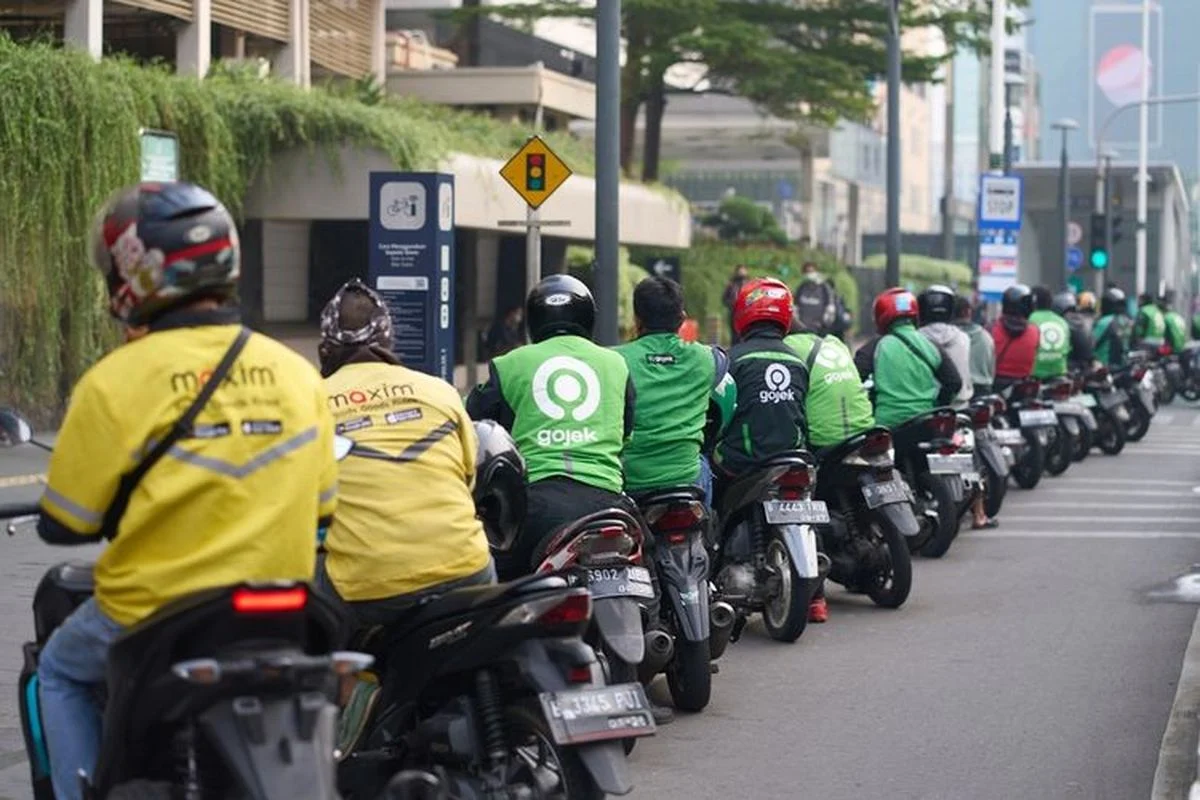
Media Kampung – 27 Maret 2026 | Drivers of online ride-hailing platforms have petitioned the president to issue a regulation that would incorporate pickup distance and passenger waiting time into fare calculations. The demand reflects growing concerns over earnings erosion caused by unaccounted service components.
According to the drivers’ association, current fare formulas only consider the distance traveled after the passenger boards, ignoring the kilometers the driver must cover to reach the pick‑up point. This omission, they argue, leads to a hidden cost borne by drivers.
Moreover, the association highlights that the waiting period before a passenger boards is not compensated, even when traffic or passenger delays extend the idle time. Drivers claim this practice discourages service in less accessible neighborhoods.
The group submitted a formal request to the Ministry of Transportation, urging the issuance of a presidential decree (perpres) that would standardize a minimum charge for the initial leg and for waiting time. They propose a tiered structure based on distance bands and time intervals.
In response, the ministry’s spokesperson said the agency is reviewing the proposal and will coordinate with ride‑hailing companies to assess its feasibility. He added that any regulation must balance driver welfare with consumer affordability.
Ride‑hailing operators have previously adjusted fares during peak hours but have not introduced a separate pickup fee. A senior manager at one platform noted that adding new components could complicate the algorithm and affect price transparency.
Drivers contend that the algorithm already factors in dynamic pricing, yet the hidden costs remain unrecovered. They point to data showing that up to 15 % of a trip’s total distance occurs before the passenger is onboard.
The association also cites surveys indicating that average waiting times exceed five minutes in many urban districts, especially during rush hour. They argue that compensating this idle time would improve driver satisfaction and retention.
Economists warn that higher fares could reduce demand, particularly among price‑sensitive commuters. However, they note that fair compensation may encourage more drivers to stay active, potentially stabilizing supply.
Consumer groups have expressed mixed reactions, with some supporting driver rights while others fear fare hikes. A spokesperson for a consumer advocacy organization called for a balanced approach that protects both users and providers.
The presidential decree, if enacted, would set a legal baseline for all ride‑hailing services operating nationwide. It could also serve as a reference for future transport policies concerning gig‑economy workers.
Local governments may need to align their regulations with the national decree, creating a uniform framework across provinces. This could simplify compliance for platform operators and reduce regional disparities.
The drivers’ association plans to hold a series of public forums to gather feedback from riders and local officials before finalizing the draft. They aim to present a revised proposal within the next two months.
While negotiations continue, drivers remain vigilant, emphasizing that their livelihoods depend on transparent and equitable fare structures. They urge policymakers to act promptly to avoid further income loss.
The issue underscores the broader challenge of regulating digital platforms in an evolving mobility landscape. A well‑crafted perpres could set a precedent for addressing similar concerns in other gig sectors.
Artikel ini dipublikasikan oleh Media Kampung.






Tinggalkan Balasan