

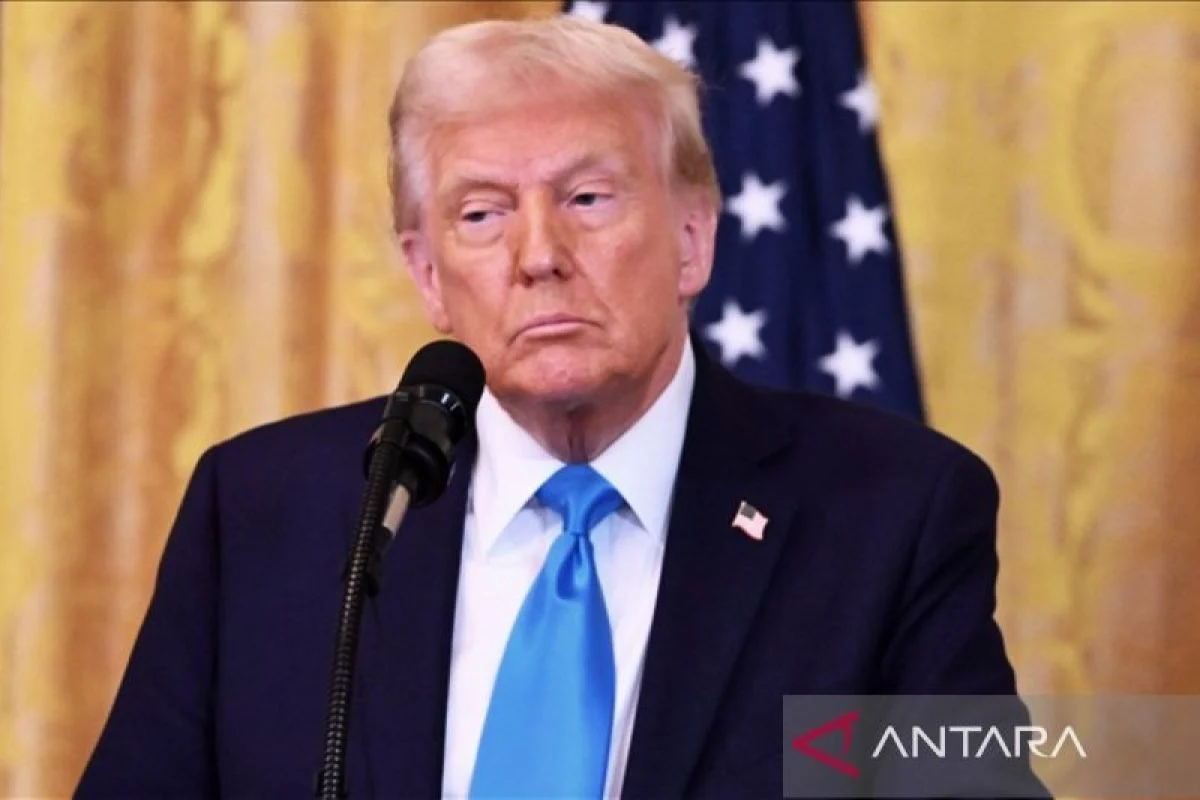
Media Kampung – 26 Maret 2026 | President Donald Trump likened the recent U.S. strike on Iranian facilities to the Japanese attack on Pearl Harbor during a bilateral meeting in Tokyo. The remark sparked debate among diplomats and analysts about its rhetorical impact.
The comment came as Trump and Japanese Prime Minister Fumio Kishida discussed regional security and the United States’ renewed military posture in the Middle East. Both leaders emphasized the need to deter aggression and protect navigation routes.
Washington announced airstrikes targeting Iranian Revolutionary Guard sites in Iraq and Syria late on Wednesday, claiming the actions responded to a barrage of missiles launched from Iran toward Israeli and U.S. assets. The operation marked the first direct U.S. attack on Iranian forces since the 2020 killing of General Qasem Soleimani.
In the Oval Office press briefing earlier that day, Trump asserted, “We are negotiating now,” referring to secret talks with Tehran. He added, “They gave us a very big gift today, something of huge value,” without clarifying the nature of the “gift.”
Iranian state media reported that the Revolutionary Guard fired new ballistic missiles toward Israel and U.S. bases in Kuwait, Jordan, and Bahrain. The missiles struck a fuel depot at Kuwait International Airport, igniting a fire that officials said caused limited damage.
The missile launches coincided with reports that the United Nations observed increased activity of Iranian drones over the Strait of Hormuz. The strait, a vital artery for global oil shipments, has been a flashpoint since Tehran’s 2023 blockade of commercial vessels.
Trump’s comparison to Pearl Harbor aimed to frame the Iranian strike as a surprise attack demanding a decisive response. He told Kishida, “What happened in Pearl Harbor was a turning point; we must act with the same resolve.”
Kishida responded cautiously, acknowledging the historical analogy but stressing that Japan would support a multilateral approach to de‑escalation. He reiterated Tokyo’s commitment to the U.S.–Japan security alliance while urging diplomatic channels.
Analysts note that invoking Pearl Harbor carries heavy symbolic weight, recalling the United States’ entry into World War II after a sudden attack. The analogy suggests Trump views the Iranian actions as an existential threat requiring a broader coalition response.
The United States has reportedly delivered a 15‑point proposal to Iran through Pakistani intermediaries, according to The New York Times. The plan, which includes sanctions relief and security guarantees, aims to halt missile exchanges and reopen the Hormuz corridor.
Iranian officials have not publicly confirmed receipt of the proposal, and Tehran’s Revolutionary Guard continues to claim its strikes are defensive. A senior Iranian commander told domestic media that the “gift” Trump mentioned likely refers to Iran’s willingness to discuss nuclear constraints.
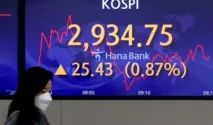
Market reactions to the diplomatic signal were muted; Brent crude fell by 1.2 % and Asian equity indices edged higher on the expectation of reduced tension. Nevertheless, regional investors remain wary of volatility amid ongoing military maneuvers.
The timing of the U.S. strike aligns with a five‑day pause that the United Nations Security Council previously urged for humanitarian aid delivery. Critics argue that the pause was merely a tactical lull before a renewed offensive.
In Washington, Pentagon officials emphasized that the airstrikes were limited, targeted, and aimed at degrading Iran’s missile‑launch capability. They denied any intention to expand the conflict beyond the immediate theater.
Japan’s Defense Ministry released a statement confirming that its Self‑Defense Forces stand ready to assist U.S. operations if requested. The ministry also warned neighboring states against exploiting the situation for provocative moves.
The comparison to Pearl Harbor has drawn criticism from historians who caution against equating a modern missile exchange with a large‑scale naval assault. They argue that such rhetoric may inflame public sentiment and limit diplomatic flexibility.
Despite the heated language, both the United States and Japan continue to push for a negotiated settlement that would halt missile launches and restore free navigation through the Persian Gulf. The proposed framework includes verification mechanisms overseen by the International Atomic Energy Agency.
Observers note that the United States’ ability to sustain a prolonged military campaign depends on domestic political support, which has waned since the 2024 election. Trump’s public statements appear designed to rally his base by portraying Iran as a clear aggressor.
Meanwhile, Iran’s leadership maintains that its missile program serves as a deterrent against foreign interference and that any “gift” to the United States will be contingent on reciprocal security guarantees. The ongoing stalemate underscores the fragility of the regional balance.
The situation remains fluid, with the risk of further escalation balanced against diplomatic overtures that could lead to a cease‑fire. All parties appear to be testing the limits of both military and diplomatic tools as the Middle East watches closely.
Artikel ini dipublikasikan oleh Media Kampung.



Tinggalkan Balasan