

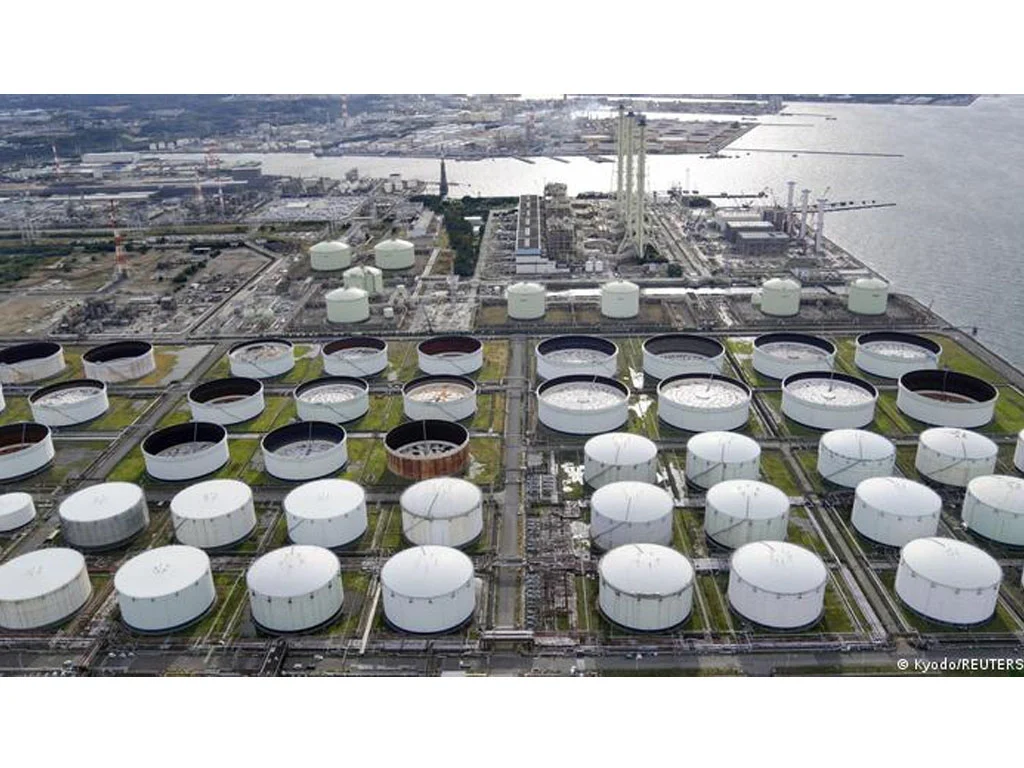
Media Kampung – 25 Maret 2026 | Japan will start releasing 80 million barrels from its strategic petroleum reserve, the largest drawdown in the nation’s history, as tensions in the Middle East threaten oil shipments. The move is intended to cushion domestic supply and stabilize fuel prices.
Prime Minister Sanae Takaichi announced the release will begin on Thursday, March 26, and will be delivered gradually to domestic refineries. The volume equals about 45 days of Japan’s total oil consumption.
The decision follows a 15‑day private‑sector release approved the week before, which aimed to pre‑empt possible disruptions in the Strait of Hormuz. Officials said the combined releases could cover nearly two months of demand.
“We must ensure energy security for the Japanese people while the conflict escalates,” Takaichi said in a press briefing. She added that Japan will continue diplomatic efforts to de‑escalate the situation.
Japan imports over 90 % of its crude oil, most of it from the Middle East, making the Strait of Hormuz a critical chokepoint for its energy supply. Recent Iranian attacks on shipping have heightened the risk of a prolonged blockage.
Government data show the country’s total strategic reserve stood at roughly 470 million barrels at the end of last year, enough for about 254 days of consumption. The 80‑million‑barrel release represents 1.8 times the volume drawn after the 2011 Fukushima disaster.
In addition to the reserve drawdown, the cabinet approved a weekly subsidy to keep gasoline prices around ¥170 per litre. The subsidy was introduced after retail prices peaked at ¥190.8 per litre last week.
Analysts expect the subsidy to temper inflationary pressure on households, although the yen’s recent weakness could offset some benefits. The Ministry of Finance will review the subsidy each week based on global oil price movements.
The move has also prompted the government to urge consumers not to engage in panic buying of daily necessities. The Japan Paper Products Association reported that 97 % of toilet paper is produced locally from recycled fibers, reducing reliance on imported raw material.
Social media posts show mixed reactions, with some users stockpiling goods while others caution that hoarding could create artificial shortages. Authorities have warned that excessive buying could disrupt market stability.
Japan’s decision mirrors similar actions by regional partners; the United Arab Emirates announced a supplemental supply of oil equivalent to five days of Japan’s demand. The coordination aims to keep the global market supplied amid heightened volatility.
The release is being overseen by the Ministry of Economy, Trade and Industry, which will allocate the oil to eleven storage sites across the country. About 8.5 million kiloliters will be sold from these depots over the coming weeks.
Energy analysts note that the drawdown, while sizable, will only marginally affect global oil inventories because Japan’s reserve represents a small share of worldwide stockpiles. Nevertheless, the action signals the seriousness of supply concerns.
The United States, represented by President Donald Trump, met with Takaichi in Washington to discuss securing maritime routes in the Hormuz corridor. Both leaders emphasized the need for a swift diplomatic solution to the Iran‑Israel clash.
Critics argue that Japan’s constitutional constraints prevent the deployment of naval forces to protect shipping lanes, limiting its direct security role. Takaichi reiterated that Japan will not send maritime self‑defence forces to the Strait.
Domestic petrochemical firms have reported disruptions in naphtha imports, prompting a search for alternative feedstock from the Americas and other Asian sources. Prices for these alternatives remain higher than pre‑crisis levels.
Market observers expect the combined effect of the reserve release, subsidies, and diplomatic engagement to keep fuel prices relatively stable through the next quarter. However, any escalation in the Middle East could prompt further measures.
Japan’s strategic response underscores its reliance on external energy and the importance of maintaining flexible policy tools to safeguard the economy. The government will continue monitoring the situation and adjust actions as needed.
The government’s proactive stance aims to shield the Japanese economy from external shocks while reinforcing its commitment to peaceful resolution of the regional conflict. Observers will watch closely how these measures influence both domestic stability and global oil markets.
Artikel ini dipublikasikan oleh Media Kampung.





Tinggalkan Balasan