

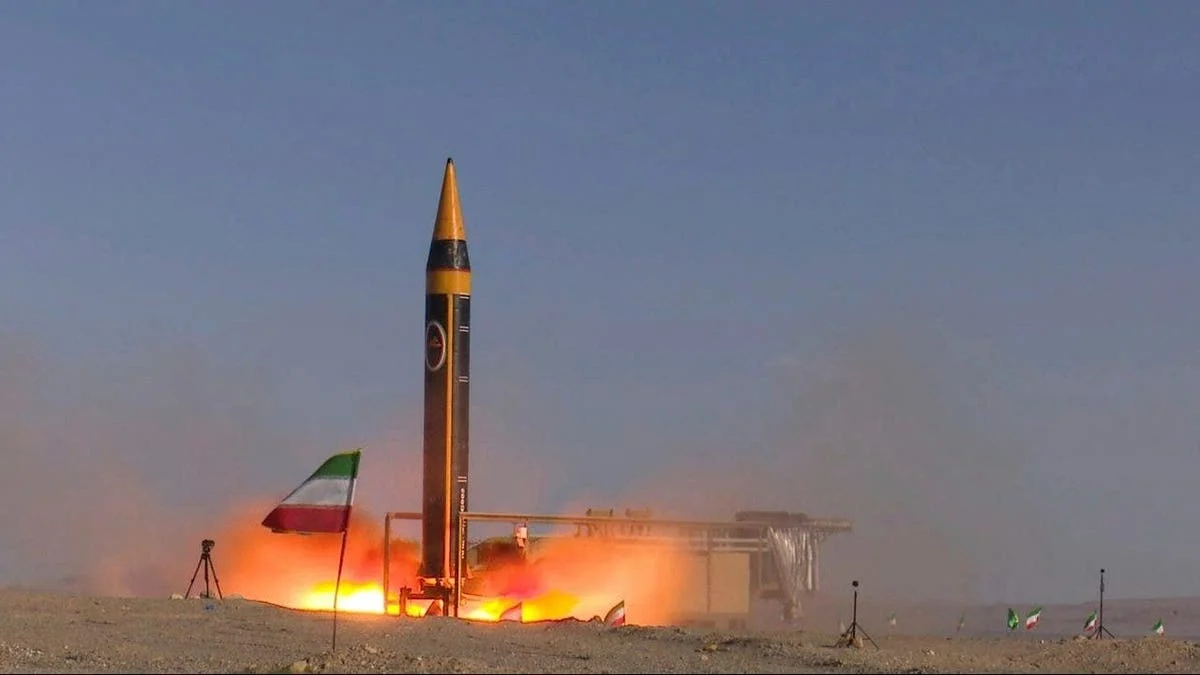
Media Kampung – 23 Maret 2026 | Iranian ballistic missiles hit the southern Israeli towns of Arad and Dimona on the night of 21 March 2026, killing three civilians and wounding more than 180 people. The attack marked a sharp escalation in the ongoing Iran‑Israel confrontation.
Israeli air‑defence systems launched interceptors but failed to destroy the incoming projectiles, allowing two missiles to strike directly. The failure prompted an immediate investigation by the Israeli military.
In Arad, emergency teams reported 84 injured, including ten in serious condition. Among the casualties was a ten‑year‑old boy suffering severe wounds from shrapnel.
Dimona, home to Israel’s primary nuclear research facility, recorded 33 injuries, with one person classified as serious. The city’s residents were forced to evacuate schools and shift classes to online platforms.
Magen David Adom confirmed that all victims received transport to nearby hospitals. Medical staff described the scene as chaotic, with debris and large craters dominating the streets.
Brigadir Jenderal Effie Defrin, spokesperson for the Israeli defence forces, said the air‑defence network was active but did not intercept the missiles. “We will investigate the incident and learn from it,” he wrote on the social platform X.
Firefighters in both towns reported extensive structural damage, including the collapse of three buildings in Arad. One of the destroyed structures caught fire, requiring a coordinated response from dozens of fire crews.
Riyad Abu Ajaj, a senior medic, described “widespread destruction” and “numerous injured” at the scene. He added that the rescue teams were searching through rubble for additional victims.
Iranian state television framed the strike as retaliation for a recent Israeli‑linked attack on the Natanz nuclear facility in Iran. The broadcast claimed the missiles targeted “strategic sites” in response to the earlier aggression.
Analysts note that the timing coincides with a series of daily missile launches Iran has conducted since late February. These launches aim to pressure Israel and its allies following the escalation of the US‑Israel campaign against Iranian interests.
Israeli Prime Minister Benjamin Netanyahu called the night “extremely difficult” for the nation. He pledged to continue military actions against Iran and its supporters.
The Israeli defence ministry announced that the missile interceptors were deployed but missed their targets. The statement underscored the need to upgrade the country’s shield against long‑range ballistic threats.
International observers have called for restraint on both sides to prevent a broader regional war. The United Nations has urged both parties to refrain from actions that could endanger civilian populations.
Satellite imagery released by independent monitoring groups showed no apparent damage to the nuclear research complex in Dimona. The International Atomic Energy Agency reported no abnormal radiation levels in the area.
Nonetheless, the proximity of the impact to the nuclear site heightened global anxiety about potential fallout. Experts emphasized that any breach of the facility could have severe environmental consequences.
The attacks also disrupted civilian life in the affected towns. Power outages and water supply interruptions were reported for several hours after the explosions.
Local authorities ordered the temporary closure of public schools and redirected traffic away from the damaged zones. Residents were advised to stay indoors until the cleanup concluded.
The Israeli military’s internal review will examine technical glitches and command decisions that led to the defence lapse. Findings are expected to be presented to senior defence officials within weeks.
Iran’s Revolutionary Guard has not issued an official comment beyond the state television narrative. However, military analysts infer that the operation demonstrated a growing capability to strike deep into Israeli territory.
The United States, a key ally of Israel, expressed solidarity with the Israeli government and condemned the missile attack. Washington reaffirmed its commitment to Israel’s security in a statement from the State Department.
Regional neighbours, including Jordan and Egypt, called for diplomatic channels to de‑escalate tensions. Their foreign ministries warned that continued hostilities could destabilize the broader Middle East.
Humanitarian organizations have begun assessing the needs of the injured and displaced families. Aid distribution centers were set up near Arad and Dimona to provide medical supplies and shelter.
The economic impact of the attacks includes a temporary dip in Israeli market indices and heightened insurance premiums for infrastructure. Business owners in the southern district reported losses due to property damage.
Despite the devastation, the Israeli public displayed resilience, with community volunteers assisting rescue crews. Candlelight vigils were held in both towns to honor the three victims who lost their lives.
The incident underscores the volatile security environment surrounding Israel’s borders and strategic facilities. It also highlights the challenges faced by missile‑defence systems against advanced ballistic weapons.
As investigations continue, Israeli officials reaffirm their readiness to respond to any further aggression while urging the international community to support peace efforts. The nation remains on high alert, monitoring the skies for potential threats.
Artikel ini dipublikasikan oleh Media Kampung.






Tinggalkan Balasan