

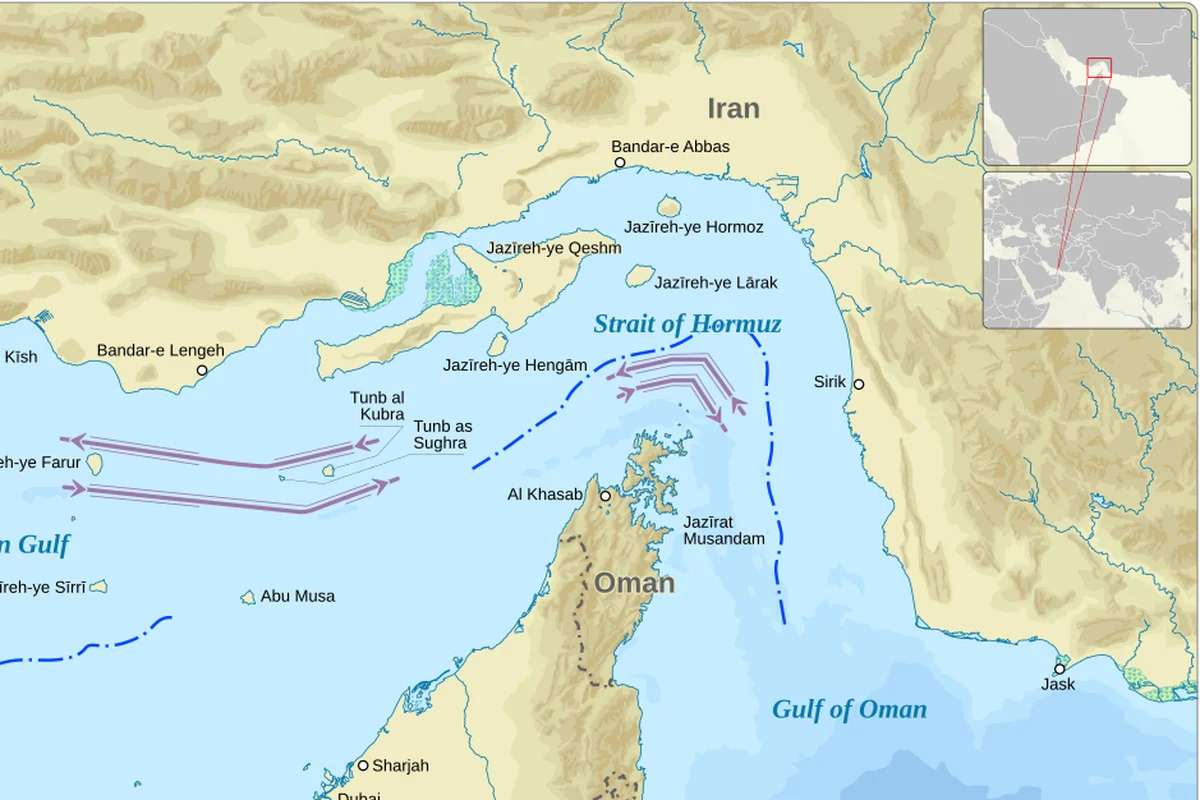
Media Kampung – 22 Maret 2026 | Japan welcomes Iran‘s offer to escort its vessels through the Strait of Hormuz, easing concerns over oil supply routes. The declaration came from Iranian foreign minister Abbas Araghchi in a phone interview with Kyodo News on Friday.
Araghchi denied any closure of the strait, emphasizing that it remains open for international navigation. He added that restrictions target only nations that have attacked Iran.
Tehran said it will ensure a safe passage for Japanese ships, a crucial step for Tokyo’s energy security. Japan relies heavily on Middle Eastern crude, with the majority transiting the Hormuz corridor.
Approximately 95 percent of Japan’s oil imports originate from the Middle East, and about 70 percent of that volume passes through the narrow waterway. Any disruption could threaten the country’s fuel stability.
In response to the heightened risk, Japan began releasing strategic oil reserves on Monday, marking one of the largest drawdowns in its history. The reserves cover roughly 254 days of domestic consumption.
The move aligns with a coordinated effort by International Energy Agency (IEA) members to curb price spikes caused by regional conflict. On March 11, IEA nations agreed to tap their stockpiles collectively.
Japan’s decision reflects its status as the world’s fourth-largest economy and the fifth-largest oil importer. The government stresses that diversifying supply routes is essential amid ongoing tensions.
Iran’s willingness to assist Japanese vessels contrasts with its earlier threats to block the strait after attacks on its territory. The offer signals a potential diplomatic opening between Tehran and Tokyo.
Japanese officials welcomed the reassurance, noting that safe navigation is vital for both commercial and energy shipments. They also indicated ongoing talks to explore additional safeguards.
Analysts warn that the situation remains fluid, as any escalation involving the United States or Israel could alter Iran’s stance. They advise Japan to maintain contingency plans for alternative routes.
The strategic importance of the Strait of Hormuz stems from its role as a chokepoint for global oil flow, handling roughly a fifth of worldwide shipments. Disruptions there historically trigger sharp market reactions.
By securing Iranian cooperation, Japan hopes to stabilize its import logistics without resorting to costly rerouting around the Cape of Good Hope. Such detours can increase transport time by weeks and raise expenses.
The collaboration may also influence regional dynamics, encouraging other oil‑dependent nations to seek similar assurances. Iran could leverage this to improve its international standing.
Critics argue that relying on Iran’s guarantee carries risks, given the country’s volatile relationship with Western powers. They suggest Japan should accelerate its shift toward renewable energy sources.
Nonetheless, the immediate priority remains safeguarding the existing supply chain until longer‑term energy transitions mature. Japan continues to invest in LNG, hydrogen, and solar projects.
The government’s communication emphasized transparency, informing the public about reserve releases and diplomatic developments. Public confidence in energy security appears to be gradually restoring.
Observers note that Japan’s proactive stance, combined with IEA coordination, represents a rare example of collective crisis management. It may set a precedent for future geopolitical energy challenges.
As the Middle East conflict persists, Japan will monitor the strait’s status closely and adjust its policies accordingly. The nation aims to maintain uninterrupted fuel flow while pursuing sustainable alternatives.
Artikel ini dipublikasikan oleh Media Kampung.





Tinggalkan Balasan