

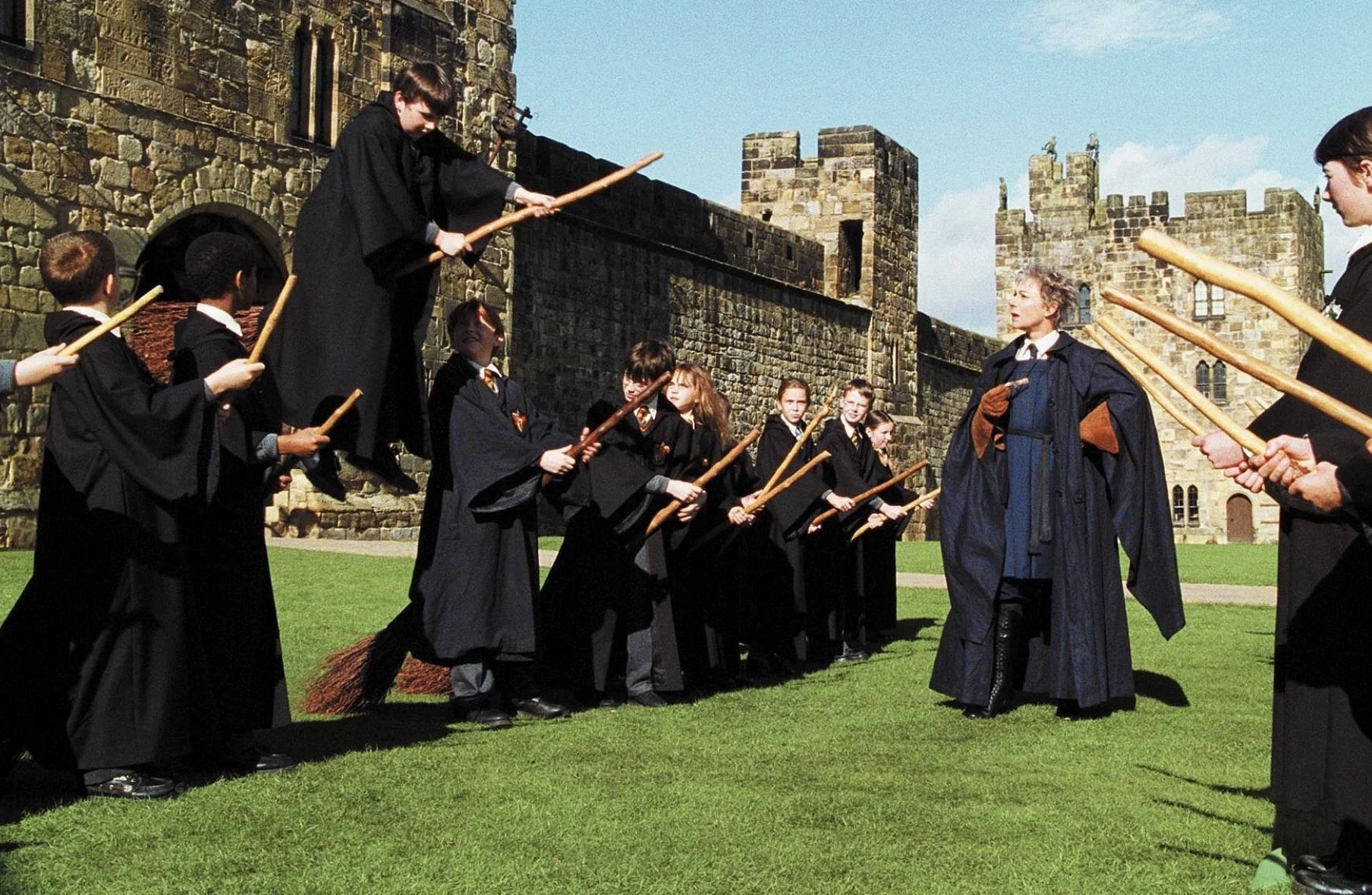
Media Kampung – 29 Maret 2026 | The debut of HBO‘s Harry Potter series has sparked renewed interest in the original 2001 film, prompting fans to compare iconic scenes. Seven key moments from the first book are now examined side by side.
The opening scene at King’s Cross, where Harry discovers Platform 9¾, retains the train whistle in both versions, yet the series adds a longer crowd reaction. The cinematic version relies on a quick cut, while the HBO adaptation expands the wizarding atmosphere.
The sorting hat ceremony shows a notable shift in visual tone. In the film, the hat’s voice is rendered by a distinct actor, whereas the series uses a more subdued CGI integration.
The first encounter with a troll in the dungeon differs in pacing. The 2001 movie compresses the action into a ten‑minute sequence, while the HBO episode stretches it to emphasize the students’ fear.
The Quidditch match against Slytherin features altered camera work. The film opts for rapid aerial shots, whereas the series employs steadier angles to highlight the players’ expressions.
The revelation of the Mirror of Erised maintains the same dialogue, but the set design varies. The television version presents a brighter, marble‑lined frame compared to the film’s darker wooden border.
The final confrontation with the stone‑guarding obstacles sees the most dramatic divergence. In the original movie, the obstacles appear in rapid succession; the HBO adaptation inserts additional riddles to deepen the narrative.
Paapa Essiedu’s casting as Severus Snape has become a focal point of the comparison. The actor, known for roles in “I May Destroy You” and “Black Mirror,” brings a different physicality to the character.
Critics note that Essiedu’s skin tone diverges from the pale description in J.K. Rowling’s books. Supporters argue that the novels never explicitly state Snape’s race, allowing artistic flexibility.
Social media reaction has been polarized, with some fans accusing the series of “woke” rewriting. Others praise the inclusive casting as a step toward broader representation.
J.K. Rowling herself responded to the teaser, describing it as “fantastic” and confirming she has read the first two episodes. She clarified she is not involved in day‑to‑day production but consulted the writers.
HBO’s chief executive Casey Bloys said the author’s input helped shape the tone of the adaptation. He emphasized that the series aims to honor the source material while exploring new visual possibilities.
The casting debate resurfaced when a trailer showed a scene where James Potter appears to hang Snape from a tree. Observers warned that the racial change could unintentionally echo historical lynching imagery.
Historians reminded viewers that the original text frames the incident as a bullying act without racial connotation. The visual reinterpretation has therefore ignited discussions about cultural sensitivity.
Despite the controversy, viewership numbers for the trailer exceeded expectations, indicating strong audience curiosity. The series is scheduled to premiere later this year on HBO.
The film’s original director Chris Columbus defended his visual choices in past interviews, noting budget constraints limited set detail. The HBO production benefits from a larger budget and modern CGI tools.
In the scene where Harry receives his first owl, the series adds a brief moment of the owl’s perspective. The film kept the focus solely on Harry’s reaction.
The potion class with Professor Snape is longer in the series, allowing Essiedu to explore subtle menace. The film condensed the lesson into a single cut.
Fans who grew up with the 2001 movie appreciate the nostalgic score by John Williams, which is absent in the new series. Composer Natalie Holt provides a fresh, orchestral theme for HBO.
The series also introduces minor characters earlier, such as Dean Thomas, who appears in the train scene. The film postponed his debut until later in the story.
Technical analysis shows that the HBO version uses higher frame rates, resulting in smoother motion during magical duels. The original film was shot at 24 fps, giving it a classic cinematic feel.
Costume design in the series leans toward historically accurate Tudor influences, while the film opted for a more stylized look. Both approaches have drawn praise from different fan segments.
The depiction of the Forbidden Forest retains the same eerie lighting, but the series adds ambient sound design to heighten tension. The movie relied on a singular, low‑frequency rumble.
The climax at the Philosopher’s Stone’s chamber includes an extra dialogue exchange between Harry and the Mirror of Erised. This addition aims to clarify the stone’s true purpose.
Market analysts predict the dual interest in film and series will boost merchandise sales for both franchises. Collectors are already seeking limited‑edition Blu‑ray sets alongside HBO memorabilia.
Educational institutions have begun using the comparative footage as a case study in adaptation theory. Professors note how medium constraints influence narrative pacing.
Overall, the seven iconic scenes illustrate how the same source material can generate distinct visual experiences. The differences highlight evolving audience expectations and production capabilities.
As the HBO series prepares for launch, the dialogue between traditionalists and modernists continues to shape public perception. The outcome may set a precedent for future literary adaptations.
Artikel ini dipublikasikan oleh Media Kampung.




Tinggalkan Balasan